How to Plan a Kitchen Remodel
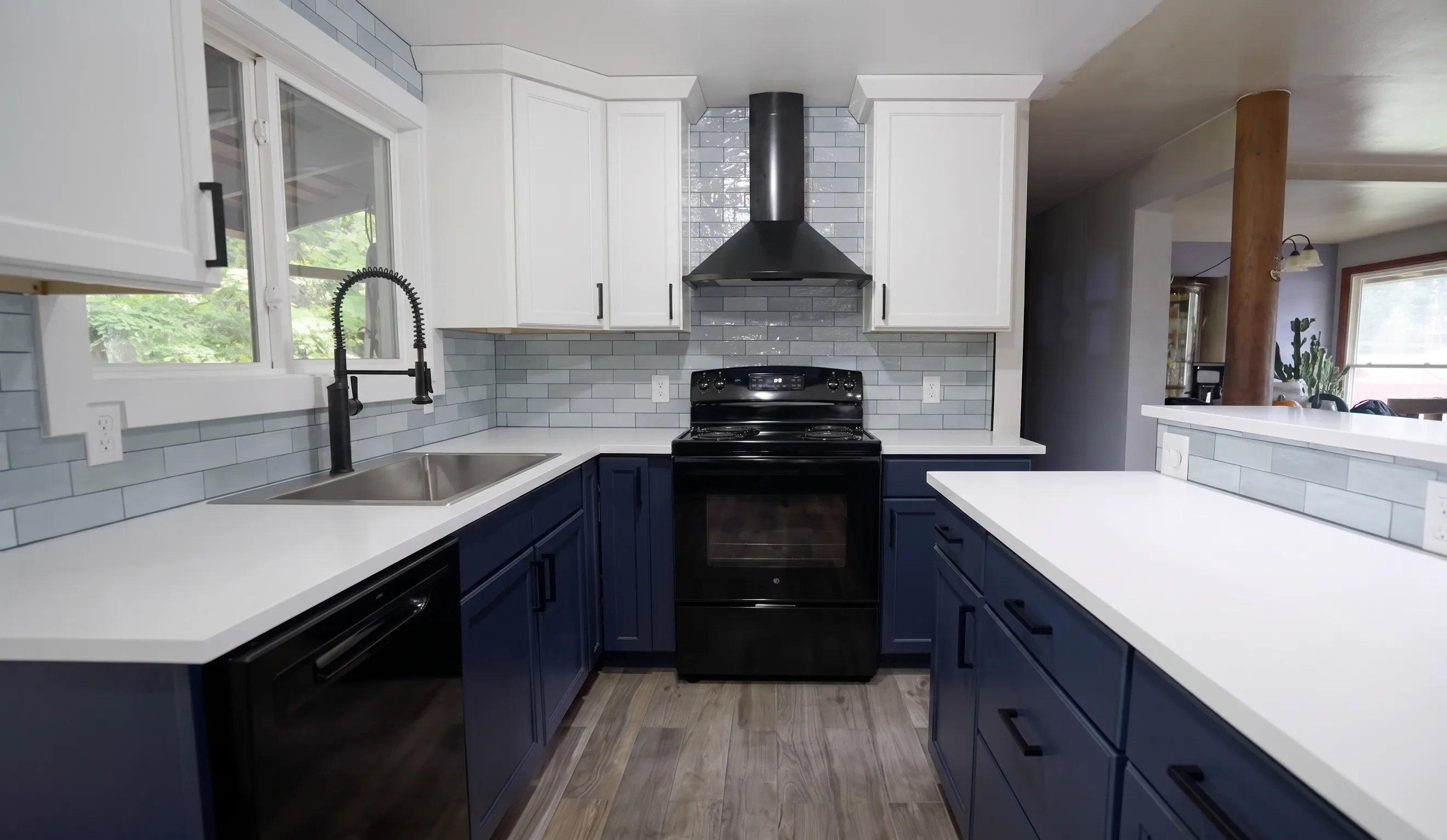

Every kitchen remodel that stays on schedule and on budget shares one thing: decisions locked in before demolition began. Getting this phase right, from layout to scope to permits, is what separates a smooth project from one that costs more than it should.
Planning a kitchen remodel starts long before a single cabinet is removed or a tile is set. The decisions that define how to plan a kitchen remodel correctly shape everything once construction begins.
At 360 House Remodeling, we describe this process as a planning-first approach. A smooth remodel almost always depends on how well the homeowner planned before construction began.
What Kitchen Remodel Planning Actually Involves
Getting this right means working through design, scope, materials, permits, and trade coordination in the right order. You need to resolve all of those decisions before physical work begins.
When the team locks in every one of those decisions before demolition starts, the step-by-step construction process runs the way it should.
Remodeling demand across the Pacific Northwest has kept contractor schedules tight over the past two years. The Harvard Joint Center for Housing Studies projects that activity will downshift in late 2026, giving King and Snohomish County homeowners a better window on contractor availability and pricing.
What to Resolve Before You Meet a Designer
Start with an audit of what isn't working across traffic flow, counter space, and storage.
The kitchen work triangle, the path between your sink, stove, and refrigerator, is the foundation of kitchen efficiency. Each leg should fall between four and nine feet, with a total perimeter of 13 to 26 feet. If yours is broken, no amount of beautiful finishes will fix how the kitchen feels to use.
Which Kitchen Layout Works for Your Space
Every full kitchen remodel we do across Seattle, Kirkland, Edmonds, Mill Creek, and throughout King and Snohomish County falls into one of these four categories:
The island conversation comes up early in almost every consultation. We always design around the workflow first, then confirm whether an island actually fits the space.
Set Your Budget Before You Fall for a Design
In the greater Seattle area, kitchen remodel costs typically range from $80,000 for a mid-range project to $175,000+ for a high-end gut renovation with custom cabinetry and layout changes. Setting that number before you lock in design decisions protects your timeline and scope.
Here is where that budget typically goes:
- Cabinets: 30 to 40% of the total project budget
- Labor: 35 to 50%, including all trades
- Countertops, fixtures, and appliances: the remaining 20 to 30%
Set aside 15 to 20% as a contingency. Every kitchen remodel surfaces surprises once walls are open, and projects that don't carry one almost always need it.
The Planning Sequence
Every kitchen remodel we manage at 360 House Remodeling follows the same sequence before construction begins:
- Define your goals: what needs to change and why
- Assess your existing space: measurements, load-bearing walls, plumbing and electrical locations
- Establish your scope: full gut remodel, layout change, or finish upgrade without moving walls
- Design with a professional: floor plan, 3D renderings, and material selections locked in before construction
- Confirm before demolition begins: permits approved, materials ordered, and trade schedules locked in
Tips for Getting Your Kitchen Remodel Right
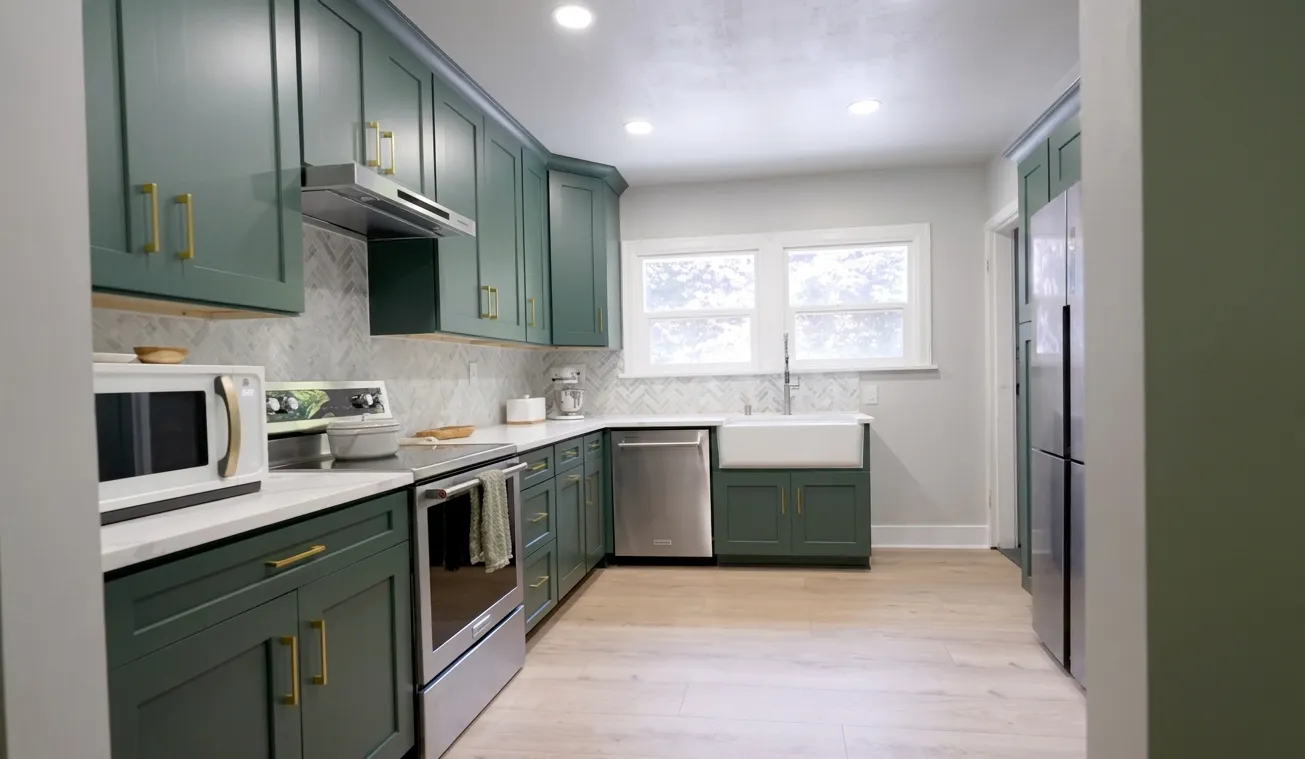
The sequence sets the foundation. The decisions within each phase are what determine how well it all comes together.
Start with Function, Then Aesthetics
Tile selections, cabinet hardware, and countertop samples are easy to fall for before the layout is resolved. The floor plan and work triangle come first.
A kitchen can be visually stunning and completely dysfunctional. Finishes should follow the design, not drive it.
Plan for the Kitchen You Actually Use
If you cook elaborate meals regularly, you need more prep surface and storage than someone who primarily reheats. If you have young children, a dedicated baking station may make more sense than an island designed for adult entertaining.
The design should reflect how your household actually uses the kitchen, not an idealized version of it.
Establish Your Scope Before You Design
Decide whether you are doing a full gut remodel, a layout change, or a finish upgrade without moving walls. Each carries different permit requirements, timelines, and trade coordination needs.
Defining scope early allows for accurate budgeting before you fall in love with a design that exceeds what you planned to spend.
Work with a Designer, Not a Template
Online planners and showroom templates can't account for how space, light, and traffic flow interact in a real home. A layout that looks clean on a screen but puts the refrigerator across the room from the prep area will frustrate you every day.
Our team creates detailed 3D renderings so you can see exactly what your kitchen will look like before anything is built.
Common Mistakes to Avoid
- Getting contractor quotes before the design is finalized: without drawings, estimates are guesses, not numbers you can build a budget around
- Underestimating material lead times: cabinets and countertops can take 6 to 10 weeks; ordering late pushes the entire construction schedule
- Making design changes after construction starts: changing a cabinet layout after framing is done, or switching countertop materials after the template has been cut, costs time, money, and disrupts trade schedules across multiple trades. Lock in every decision before work starts and treat it as final.
Planning Is Where the Remodel Starts
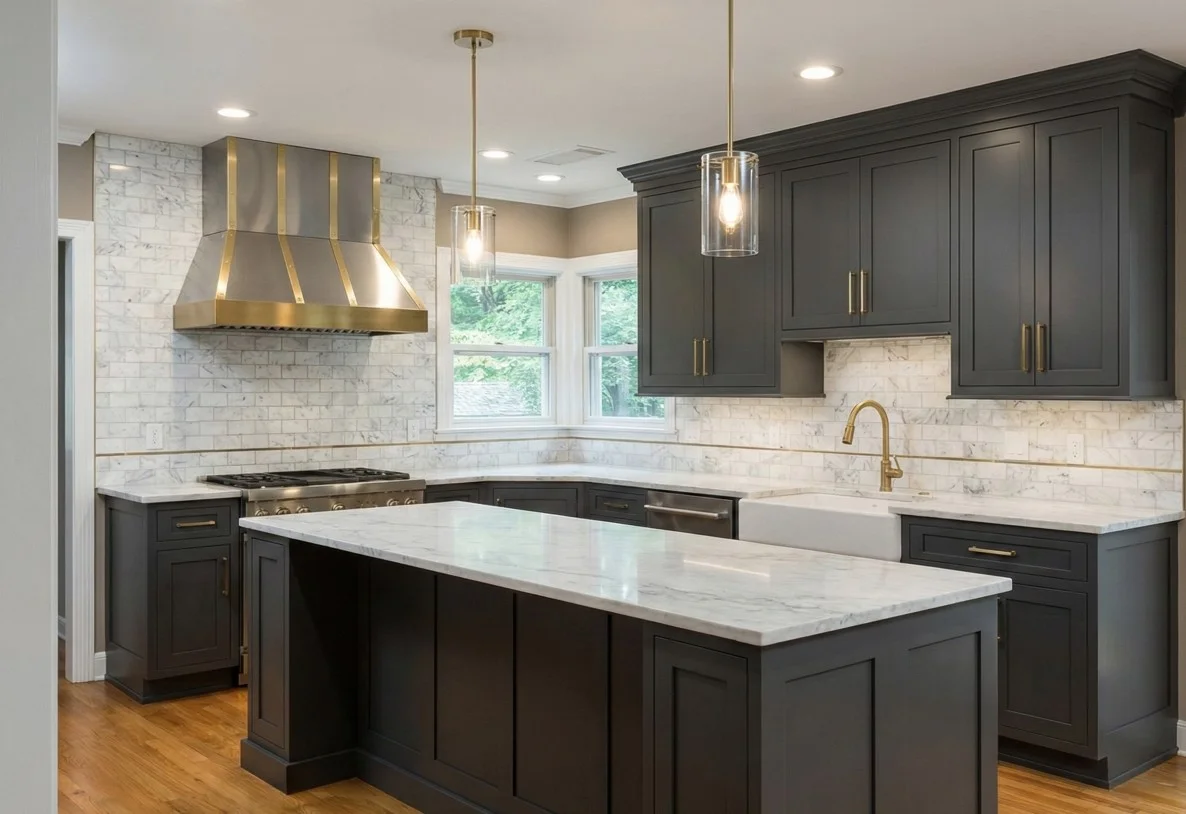
Before a single wall comes down, we make every decision that shapes the finished result. Knowing how to plan a kitchen remodel from the start keeps the project within budget and on schedule.
Our professional kitchen remodeling services cover the entire project, from the initial consultation to the final walkthrough, all in one place. Start by scheduling your free consultation.
FAQ
FAQs About Planning a Kitchen Remodel
How Long Does the Planning Phase Take?
Can I Live in My Home During a Kitchen Remodel?
What Triggers a Permit Requirement in Washington?
What Comes First, the Contractor or the Design?
Have questions about your upcoming remodeling project? We’ve got answers to help you plan your renovation with confidence.
As the trusted team for home remodeling in Mill Creek, WA, we handle design, permits, materials, and every trade under one roof. With the right plan and the right team, your kitchen remodel can turn an outdated layout into a space that works the way you need it to.
blog
Read more tips
Get fresh ideas for your next home project.Read our latest articles for quick tips on kitchen design, bathroom remodeling, and whole-home renovations that add comfort and value.

Ready to Bring Your Home Remodel to Life?
Have a vision for your home or just exploring ideas?Our team is here to guide you every step of the way.Reach out to 360 House Remodeling for a free, no-pressure consultation and start planning your next project today.