Step-By-Step Kitchen Remodel: What to Expect From Start to Finish


A kitchen remodel involves dozens of decisions, multiple trades, and a construction sequence that needs to happen in the right order. Understanding how each stage connects helps homeowners stay informed, avoid costly surprises, and feel confident throughout the process.
When you start planning a kitchen remodel, understanding the full step-by-step kitchen remodel process from start to finish makes a real difference. Knowing the kitchen remodel steps, the order they happen in, and what to expect at each stage helps you avoid delays, control costs, and stay confident throughout the project.
At 360 House Remodeling, we manage the entire kitchen remodeling process as one integrated workflow. From your first consultation through the final walkthrough, our team handles planning, design, permitting, and construction so nothing falls through the cracks. This guide walks through each stage the way we actually remodel kitchens.
Our guide to realistic kitchen remodel timelines covers the full timing of the process in more detail.
Key Takeaways
- A successful kitchen remodel follows two phases: pre-construction planning and construction execution. Skipping steps in either phase is the top cause of blown budgets and delays.
- The full kitchen remodel timeline typically runs 6 to 8 weeks for a mid-size renovation, depending on scope, material lead times, and permits.
- Kitchen remodels are one of the highest-ROI home improvements, making a well-planned, step-by-step kitchen remodel one of the smartest investments you can make.
- Working with a single contractor team from demo to final walkthrough eliminates handoff errors and protects your timeline.
Why the Right Sequence Makes or Breaks a Kitchen Remodel
A step-by-step kitchen remodel moves through defined phases in order: planning, design, demolition, rough construction, finish work, and final inspection. Every trade, material, and decision arrives at the right time.
Kitchen renovations fail not because homeowners pick the wrong cabinet color, but because decisions happen out of order. Countertops get ordered before cabinet dimensions are confirmed. Flooring gets installed before plumbing rough-in is inspected. Each misstep creates rework, cost overruns, and delays that turn a 10-week project into a 6-month ordeal.
Key Benefits of Following a Structured Kitchen Remodeling Process
Homeowners who follow a phase-by-phase process consistently get better finishes, tighter timelines, and fewer surprises at invoice time.
Budget control starts with sequencing. When every decision follows a logical order, you avoid expensive mid-project changes. Moving a sink after plumbing rough-in is one of the costliest mistakes in any kitchen remodel.
Timeline predictability improves. Many homeowners debate DIY vs professional remodeling, and DIY-managed projects frequently run over schedule because sequencing isn’t managed professionally.
Quality of finish work improves. Each construction phase builds on the last. Cabinets installed over uneven subfloor cause alignment problems. Countertops templated before cabinets are leveled produce gaps.
The investment holds. Kitchen remodels consistently rank among the highest-ROI home improvements, and that return depends on quality execution.
How a Kitchen Remodel Works: Phase By Phase
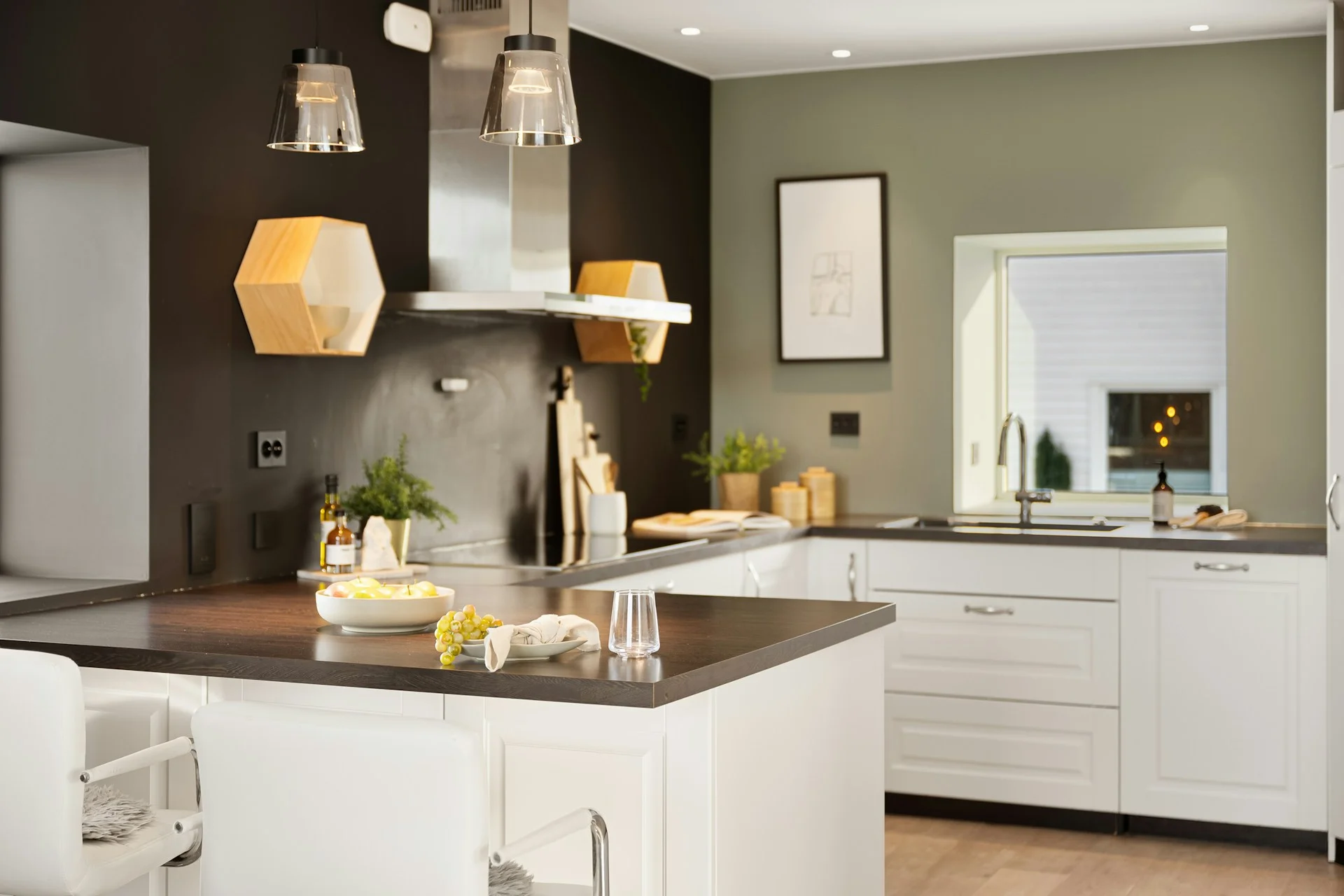
At 360 House Remodeling, the kitchen remodeling process divides into two phases: pre-construction and construction. Both matter equally, and our team manages every step so nothing falls through the cracks.
Step 1: Consultation and Planning
Your kitchen remodel starts with an in-home consultation. A project manager visits your space, reviews the layout, discusses your goals and budget range, and takes measurements. From there, we establish the full scope: what stays, what goes, and what the project will involve.
We also set your budget framework during this stage. For a mid-range kitchen renovation in the greater Seattle area, kitchen cabinet costs typically account for 30 to 40% of the total budget, with countertops, labor, appliances, and finishes making up the rest. We recommend building in a 10 to 15% contingency for what rough-in inspections sometimes reveal inside older walls.
Step 2: Design, Materials, and Permitting
Once the scope is set, we move into design and material selection. Cabinet styles, countertop materials, flooring, fixtures, and hardware all get locked in before construction begins. For Pacific Northwest kitchens, we prioritize moisture resistance and proper ventilation alongside aesthetics.
If your renovation involves plumbing, electrical, or structural changes, permits are required. Our team handles all permitting as part of the process. Our guide to kitchen remodel permits covers what triggers approval in King and Snohomish County.
Phase 2: Construction
Step 3: Demolition
Demo begins once permits are posted. Cabinets, countertops, appliances, and flooring come out. If walls are being reconfigured, framing changes happen here.
Our crew protects adjacent surfaces, manages debris disposal, and inspects what’s inside the walls before rough-in begins. What demo reveals (water damage, outdated wiring, inadequate ventilation) shapes the rest of the project.
Step 4: Rough-In Plumbing, Electrical, and Inspections
With walls open, licensed plumbers and electricians run new supply and drain lines, update panel connections, add circuits for appliances, and rough in ventilation ductwork.
Step 5: Drywall and Painting
Drywall goes up after inspections pass. Seams are taped, mudded, and sanded. Primer and paint follow. In moisture-prone areas like behind the sink or next to the range, moisture-resistant drywall is standard practice.
Step 6: Flooring
Flooring installs before cabinets in most configurations, especially when using LVP or tile. This simplifies future cabinet replacement and ensures a cleaner finish at toe kicks and transitions.
Step 7: Cabinet Installation
Upper cabinets install first, then lowers. Every run gets leveled, shimmed, and secured to studs. Cabinet alignment at this stage directly determines countertop fit and appliance clearances.
Step 8: Countertop Template and Installation
After cabinets are set and verified level, the countertop fabricator templates the exact dimensions. Stone countertops go into fabrication at this point. Plumbing connections for the sink happen immediately after countertop install.
Step 9: Fixtures and Appliances
Sink, faucet, garbage disposal, dishwasher, range, and refrigerator are connected and commissioned. Range hood is finalized and tested.
Step 10: Backsplash Tile
Tile installs after countertops are set so the bottom course sits directly on the counter surface for a clean finish. Grout cures over 24 to 48 hours before sealing.
Step 11: Final Walkthrough and Punch List
Every punch list item (touch-up paint, hardware alignment, caulk lines, appliance testing) gets addressed before the project is signed off. A final inspection is scheduled where required. Your project manager walks you through appliance operation, care instructions for countertop materials, and warranty documentation.
Best Practices for a Successful Kitchen Remodel
- Confirm materials before demolition. Cabinets, countertops, and specialty tile can take weeks to arrive if not ordered early.
- Centralize communication. Your project manager should coordinate all trades to keep the project organized.
- Set up a temporary kitchen. A microwave, coffee maker, and small prep area make construction weeks easier.
- Plan proper ventilation. In the Pacific Northwest, an externally vented range hood helps control moisture.
- Expect hidden issues in older homes. Outdated plumbing or wiring may require upgrades once walls are opened.
Common Mistakes to Avoid
- Starting demolition before permits are approved. This can cause stop-work orders and delays.
- Ordering countertops too early. Templates must be taken after cabinets are installed and leveled.
- Installing flooring after cabinets. Flooring usually goes in first to prevent gaps from expansion.
- Underestimating material lead times. Custom cabinets can take 6-10 weeks to arrive.
- Skipping the punch list. The final walkthrough ensures small issues are corrected.
- Choosing a contractor based only on price. Detailed proposals help compare scope and materials accurately.
Plan Your Kitchen Remodel With 360 House Remodeling

A successful kitchen remodel starts with a clear plan and a team that manages every detail from design through final walkthrough. As a licensed, insured, family-owned general contractor in Mill Creek, Washington, 360 House Remodeling handles design, material coordination, and construction as one integrated process.
We serve homeowners in Bellevue, Kirkland, Mercer Island, Mukilteo, Edmonds, and the surrounding areas of King and Snohomish Counties. Every kitchen remodel begins with a detailed layout review, 3D design, and a clear plan covering scope, timeline, and finishes.
Schedule your free consultation today and get a clear picture of what your kitchen remodel will involve before any commitments are made.
Final Thoughts on Planning a Step-by-Step Kitchen Remodel
A well-executed kitchen remodel follows a clear, sequential process, and every step exists for a reason. When both the planning and construction phases are managed by a consistent team, the result is a kitchen that performs well, looks exactly as designed, and holds its value for years.
Explore our professional kitchen remodeling services to learn more about how we work, or reach out to schedule a consultation.
FAQ
FAQs About Kitchen Remodeling
How long does a full kitchen remodel take?
What is the correct order for a kitchen remodel?
Should I live in my home during a kitchen remodel?
Do I need permits for a kitchen remodel in Washington State?
Does 360 House Remodeling handle kitchen remodels?
Have questions about your upcoming remodeling project? We’ve got answers to help you plan your renovation with confidence.
A well-planned kitchen remodel does more than update the look of your home. It transforms how the most-used room in the house works for your daily routine. When every stage is handled in the right order by a consistent team, the result is a kitchen that functions better, lasts longer, and adds real value to your home for years to come.
blog
Read more tips
Get fresh ideas for your next home project.Read our latest articles for quick tips on kitchen design, bathroom remodeling, and whole-home renovations that add comfort and value.

Ready to Bring Your Home Remodel to Life?
Have a vision for your home or just exploring ideas?Our team is here to guide you every step of the way.Reach out to 360 House Remodeling for a free, no-pressure consultation and start planning your next project today.