Is There Any Specific Approach Designed for Renovating Older Homes?


Renovating an older home is not like renovating any other home. The history, the hazards, and the hidden conditions demand a different approach entirely, and knowing what that looks like before you start is what separates a smooth project from a costly one.
Is There Any Specific Approach Designed for Renovating Older Homes?
Is there any specific approach designed for renovating older homes? Yes, there is a specific approach designed for renovating older homes, and it differs significantly from standard remodeling.
Older homes carry hidden hazards, non-standard construction, and a layered history that demands a strategy before a single wall comes down. This guide walks you through every phase so you can renovate smarter, avoid costly surprises, and preserve what makes your home worth saving.
Key Takeaways
- Older homes require a purpose-built renovation strategy; hidden hazards, non-standard dimensions, and code compliance issues make a standard remodel approach inadequate.
- Always complete safety and systems work (Phase 1) before committing to cosmetic finishes; a phased approach protects your budget and preserves your options.
- Research your home's permit history, architectural style, and potential historic designation before touching anything.
- Budget a 10–15% contingency for unknown conditions, and account for rising material costs.
- Hire a contractor with verified experience in pre-1970s construction, hazardous material protocols, and local building codes.
Why Research Comes First When Renovating Your House
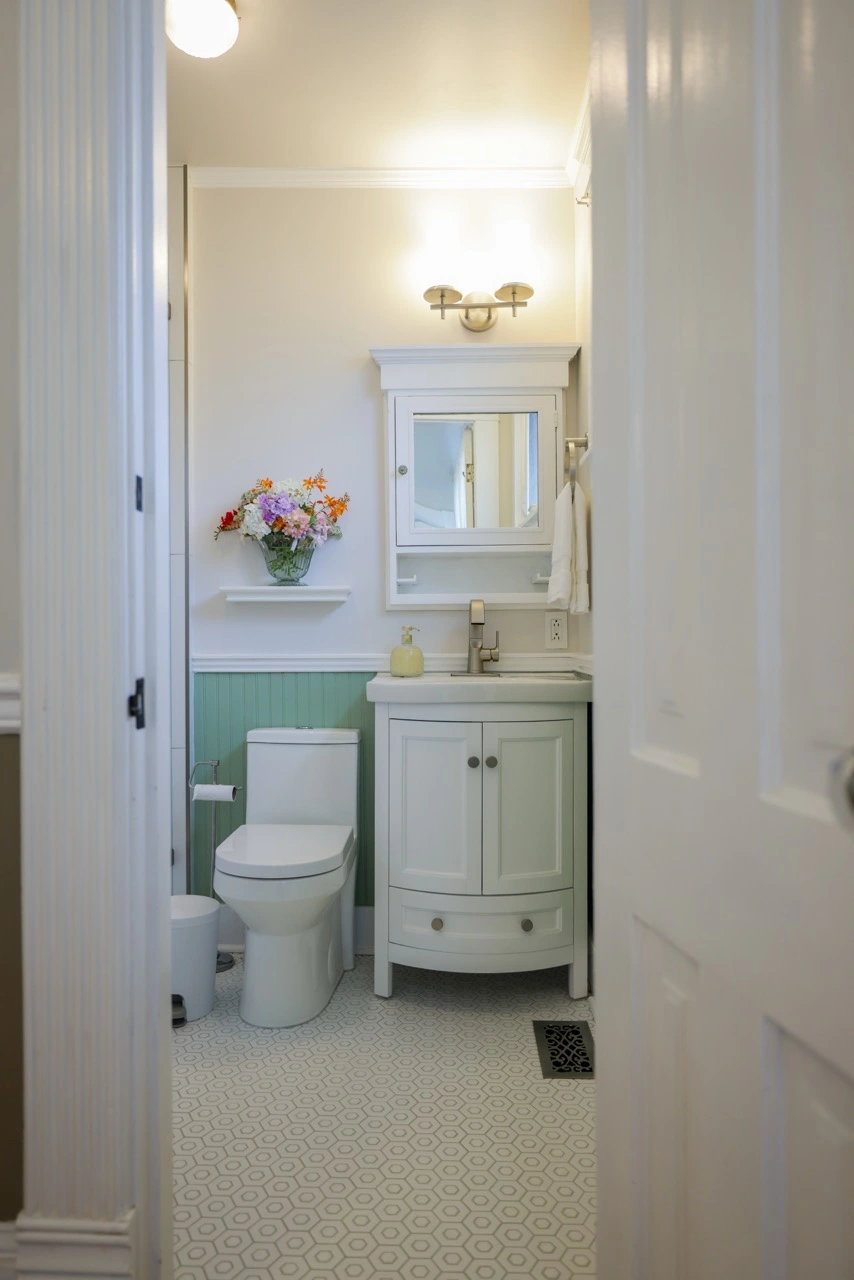
A complete guide to historical home renovations starts in the records room, not on the job site. Before demolition, research your home's construction era, architectural style, and original materials. Your county assessor's office holds permit histories revealing past additions, electrical upgrades, and structural changes. Local historical societies often have photographs and original blueprints that clarify what's original versus what was added later.
Check whether your home is listed on the National Register of Historic Places or sits within a local historic district. Listing can unlock federal and state tax incentives, but it also restricts exterior changes. Preserving the past becomes significantly easier when you understand exactly what you're preserving and why it matters architecturally.
What Is the Difference Between Renovation, Remodeling, and Restoration?
These three terms get used interchangeably, but they mean different things. For older homes, the distinction shapes your entire project.
When remodeling older homes, your goal determines which category applies. Renovating an older home typically blends all three. Knowing which you're pursuing helps you hire the right contractor, set the right budget, and make design decisions that align with your home's character. For a broader breakdown, our home remodeling tips cover how these distinctions affect planning across all project types.
Why Is There Any Specific Approach Designed for Renovating Older Homes?
Renovating older homes requires a fundamentally different strategy than updating newer construction. Pre-1980 homes often contain lead paint, asbestos, knob-and-tube wiring, and galvanised pipes. Beyond the hazards, older homes were built using non-standard dimensions, hand-crafted joinery, and materials that no longer exist in today's supply chain.
Codes that applied when your home was built may be entirely obsolete, and significant renovation can trigger mandatory upgrades. Approaches to remodeling an older home often treat the home's layered history as both a complication and an asset worth protecting.
Why Older Homes Benefit from a Long-Term Plan?
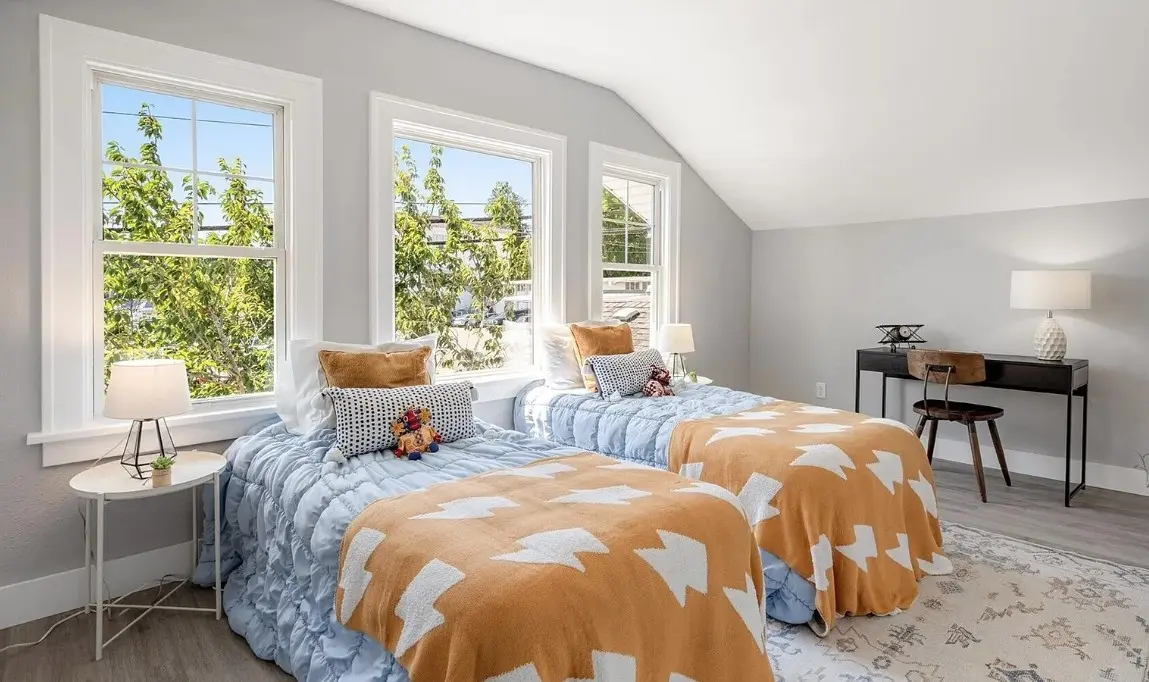
A phased renovation strategy is the most practical specific approach designed for renovating older homes. The three-phase framework breaks the project into manageable, logical stages:
- Phase 1 Safety and Systems: Address structural repairs, hazardous material abatement, electrical, plumbing, and HVAC first. No cosmetic investment is safe until the home's core systems are sound.
- Phase 2 Envelope and Infrastructure: Once systems are confirmed, move to insulation, windows, roofing, and waterproofing. These improvements protect everything that follows and significantly reduce long-term operating costs.
- Phase 3 Cosmetic and Finish: Flooring, millwork, paint, and fixtures come last; after the work beneath them is complete and confirmed stable.
This phased approach protects your budget by ensuring foundational work is complete before you invest in finishes that would otherwise be damaged or displaced. If you're living in the home during renovation, Phase 3 sequencing shifts, but the principle holds: don't install new hardwood before plumbing is confirmed sound.
How to Preserve Your Home's Original Character
Preservation-first renovation follows one clear principle: salvage before you remove, restore before you replace. Character-defining features like original hardwood, trim, millwork, and hardware should be physically protected during construction, not just noted.
When replacement is unavoidable, match the species, profile, and proportions of the original rather than defaulting to modern substitutes. Modernisation works best when new additions feel intentional, not when they compete with what was already there. The goal is a home that has clearly evolved, not one where the renovation erased what made it worth saving.
Budgeting Realistically for an Older Home Renovation
A standard new construction contingency is 10%; for older homes, 10-15% is more realistic. According to Gordian's construction cost analysis, construction input prices rose again in the second half of 2025 and are expected to continue climbing into 2026. Cost drivers unique to older properties include hazardous material abatement, custom millwork, code compliance upgrades, and permit fees.
For a detailed breakdown of what full-scope work typically costs, our guide to the cost of full house renovation provides current benchmarks by project type. Financing options worth exploring include home equity loans and historic preservation tax credits if your home qualifies. Understanding these tools before you break ground is where smart budgeting starts.
Legal Guidelines for Older Home Renovations
Older homes frequently trigger code upgrade requirements once renovation crosses certain value thresholds. In Washington State, for example, electrical systems may need to meet current code depending on the scope of work.
Skipping permits and regulations creates real exposure, including voided insurance claims, resale complications, and disclosure obligations. If your home sits within a historic district, add another approval layer, which is your local Historic Preservation Office, to sign off on before exterior or structural changes begin.
Finding the Right Contractor for Your Old Home Renovation
The right contractor for remodeling older homes has specific experience, not just general remodeling credentials. Look for demonstrated work on pre-1970s construction, familiarity with hazardous material protocols, and knowledge of local historic district rules.
Red flags include recommending a full gut before completing a thorough assessment, no experience with plaster repair, and unfamiliarity with period-appropriate materials. Verify licensing and insurance specifically cover the older home scope. When remodelling an older home, local knowledge of regional construction styles is a baseline requirement.
Why 360 House Remodeling Is the Right Partner for Your Older Home
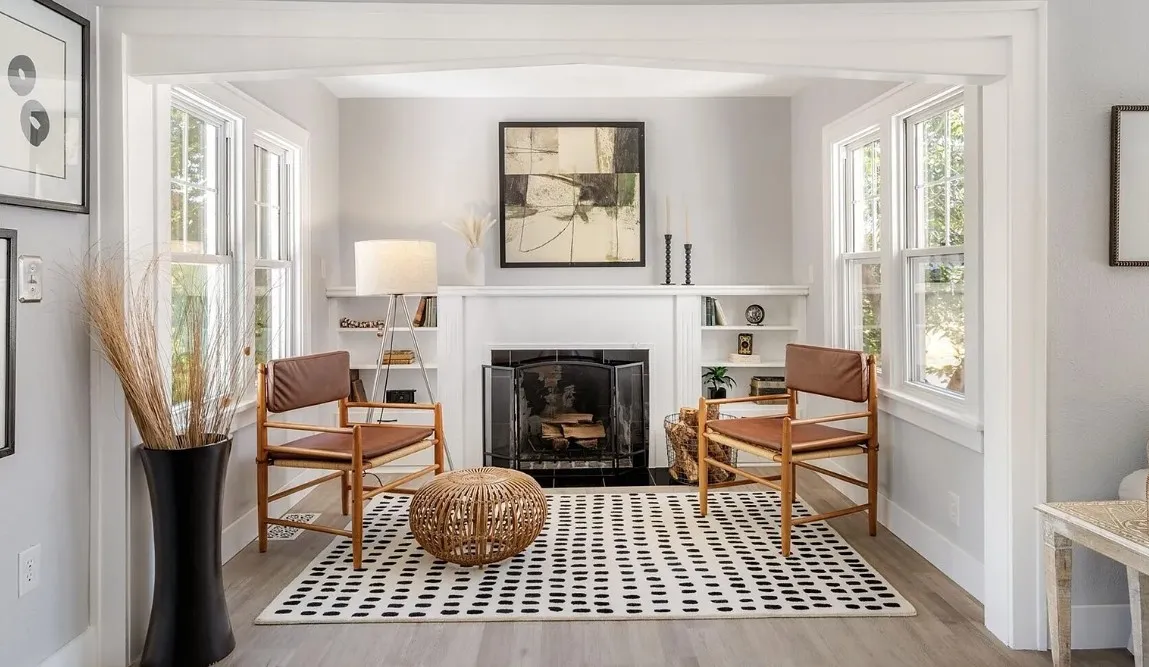
At 360 House Remodeling, we understand that renovating an older home is not a standard remodelling job. Every phase, from hazardous material assessment to period-appropriate finish work, requires a level of precision and experience that general contractors rarely bring to the table.
Our home remodelling services are built around the specific demands of older homes. We look at the full picture before recommending a single change, because the decisions made in Phase 1 directly affect what's possible in Phase 3.
As a trusted contractor in Mill Creek, we work with homeowners across Bellevue, Kirkland, Mercer Island, Mukilteo, Edmonds, and surrounding areas. If your home has history worth preserving, we have the process to protect it.
FAQ
FAQ About Old House Renovation
Is it worth renovating an older home or should I just buy new?
What is the highest hidden cost when renovating an older home?
How long does it take to renovate an older home?
Have questions about your upcoming remodeling project? We’ve got answers to help you plan your renovation with confidence.
Ready to Start Your Older Home Renovation the Right Way? The right approach protects what makes your home worth saving while building it for the way you live today. If you're ready to move forward, scheduling your free consultation with 360 Home Remodeling is the first step toward getting it done right.
blog
Read more tips
Get fresh ideas for your next home project.Read our latest articles for quick tips on kitchen design, bathroom remodeling, and whole-home renovations that add comfort and value.

Ready to Bring Your Home Remodel to Life?
Have a vision for your home or just exploring ideas?Our team is here to guide you every step of the way.Reach out to 360 House Remodeling for a free, no-pressure consultation and start planning your next project today.