Remodeling an Old House: What to Know Before You Start
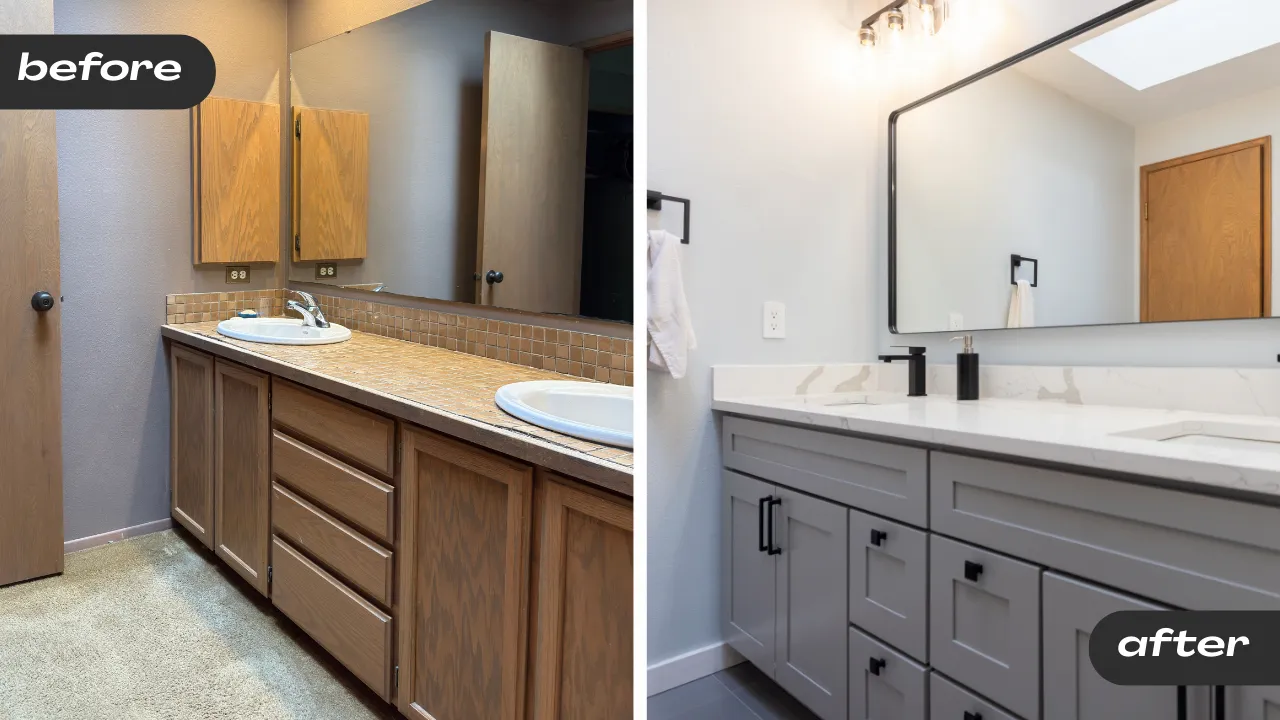

Remodeling an old house takes careful planning, the right sequence, and a realistic budget. Before you break ground, understanding what older homes hide and how to handle it makes the difference between a smooth project and a costly surprise.
Remodeling an old house is one of the most rewarding projects a homeowner can take on. Done right, it preserves character, builds equity, and transforms a dated property into a home that works for modern life.
This guide covers what you need to know before breaking ground, from hidden hazards and realistic budgets to the right renovation sequence.
See our recent historic house remodeling project in Everett.
Why Renovating Old Homes Is Worth the Investment
Older homes offer something new construction cannot manufacture: genuine character. Original hardwood floors, thick plaster walls, and hand-crafted millwork are the product of time. Once demolished, they are gone for good.
Beyond the emotional appeal, renovating old homes makes strong financial sense. Kitchen and bathroom upgrades consistently return 60-80% of their cost at resale, while structural improvements protect and grow base value over time. For homeowners in King and Snohomish Counties, investing in an old house remodel often makes more sense than buying new construction at a premium.
Critical Facts About Older Homes Before You Start
Older homes carry hidden challenges that can derail even well-intentioned renovations. Understanding these issues upfront is what separates a smooth project from a budget catastrophe.
The most common issues include knob-and-tube wiring in pre-1940s homes, lead paint in virtually every home built before 1978, asbestos in insulation and floor tiles until the late 1970s, galvanized steel plumbing that corrodes from the inside out, and foundation settling that causes sloped floors and cracked drywall.
A professional pre-renovation inspection is not optional. Surprises discovered mid-project are exponentially more expensive than surprises caught beforehand.
Renovations that skip this step routinely blow past budget by 30-50%. If you are weighing whether to hire a contractor or DIY, our guide on DIY vs professional remodeling breaks down where each approach makes sense.
How to Build a Realistic Budget for an Old House Remodeling Project
Building a realistic budget for home improvement and remodeling in an older home means planning for what you can see and what you cannot. Standard renovation guidance recommends a 10-15% contingency. For older homes, plan for 20-25% minimum.
Prioritize high-ROI rooms like kitchens and bathrooms alongside energy efficiency upgrades. Structural and systems work protects your investment but rarely shows up on a home tour. Cosmetic work drives perceived value but means nothing if the bones are compromised.
Creating a Phased Renovation Plan That Makes Sense
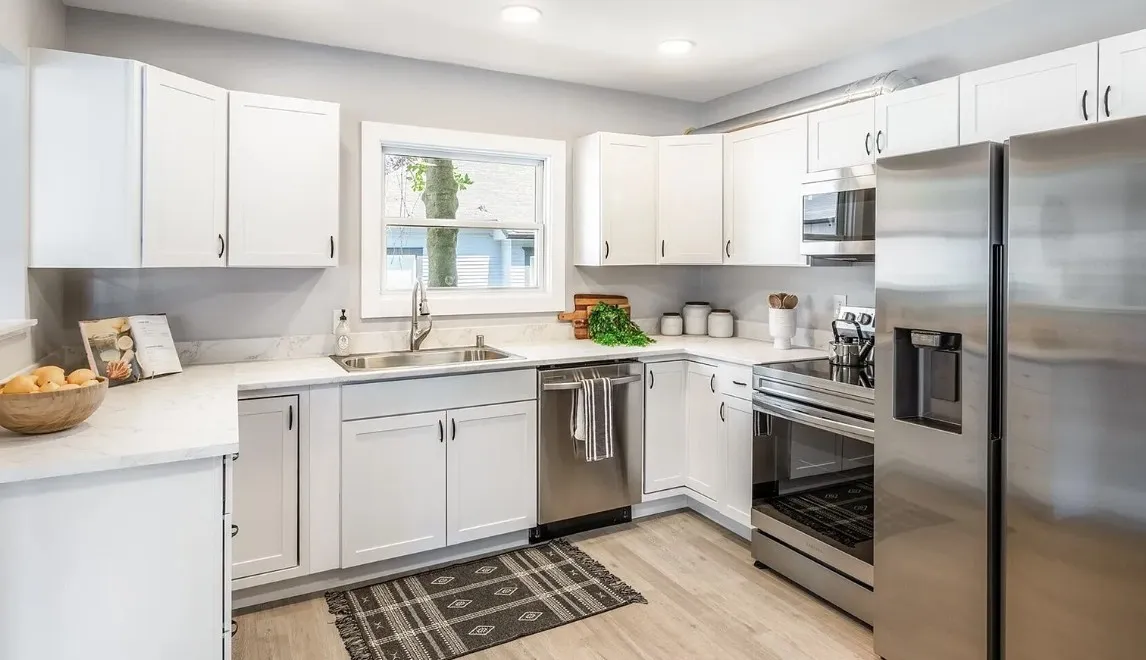
The right order for remodeling an old house follows a clear logic: fix what is structural and functional before anything cosmetic.
Phase 1: Covers structural and systems work: foundation, roof, framing repairs, electrical, plumbing, and HVAC. Nothing else happens until this is done.
Phase 2: Handles weatherproofing and envelope work like insulation, windows, and exterior sealing.
Phase 3: Addresses interior layout changes including wall removal and floor plan reconfiguration.
Phase 4: Is cosmetic finishes: flooring, drywall, paint, trim, cabinetry, and fixtures. For a detailed breakdown of what to expect, see our home remodeling tips.
For a 1920s or 1950s home, expect Phase 1 to consume 30-40% of the total budget before the space looks any different. Homeowners who skip directly to Phase 4 frequently end up reopening finished walls within a few years.
Renovation Ideas for Old Homes: Kitchen and Bathroom
The best renovation ideas for old homes work with the original architecture rather than against it.
Modernizing an Old Kitchen Without Losing Charm
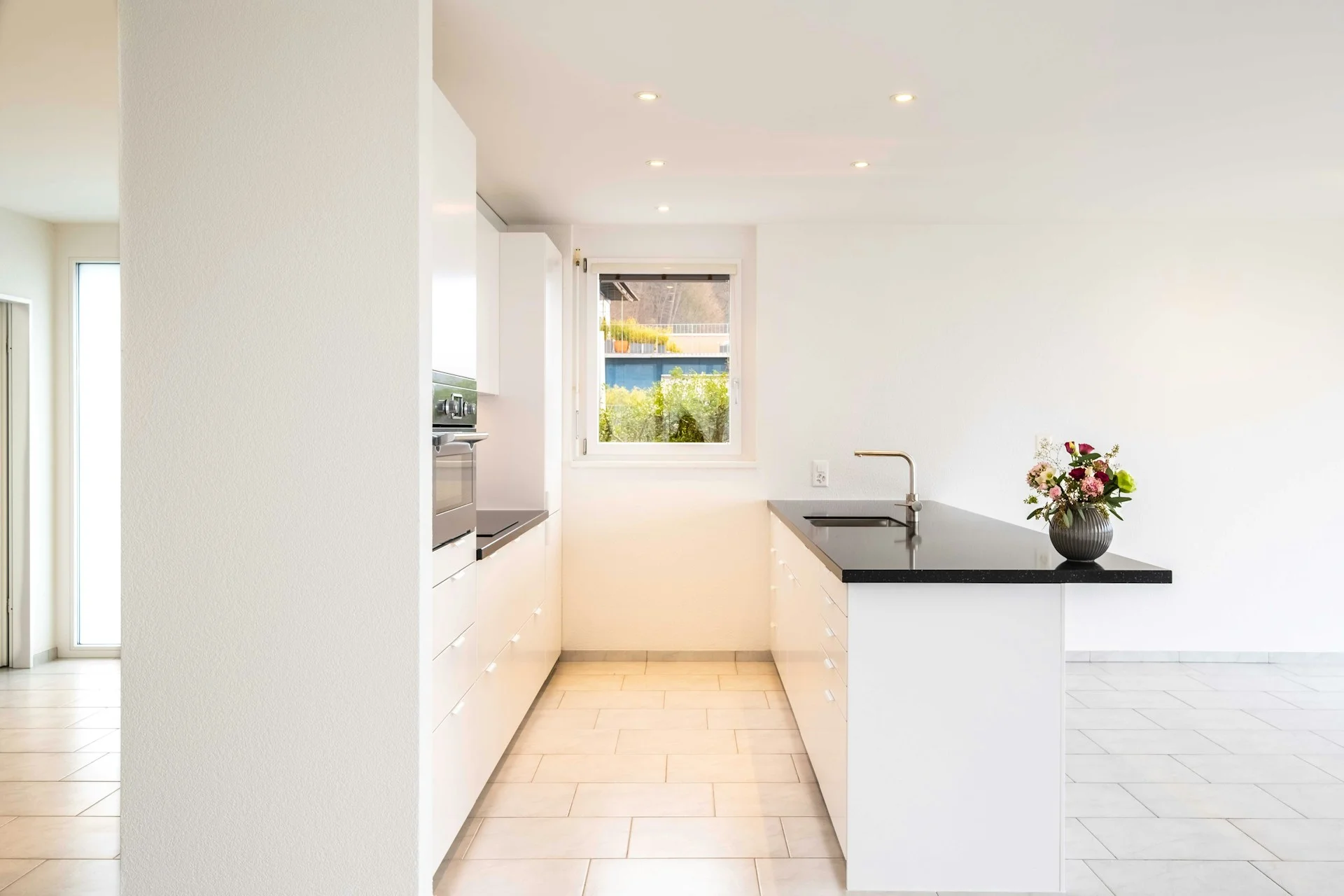
The kitchen is where design decisions carry the most financial weight. Focus on upgrades that complement the home's original character rather than fighting against it.
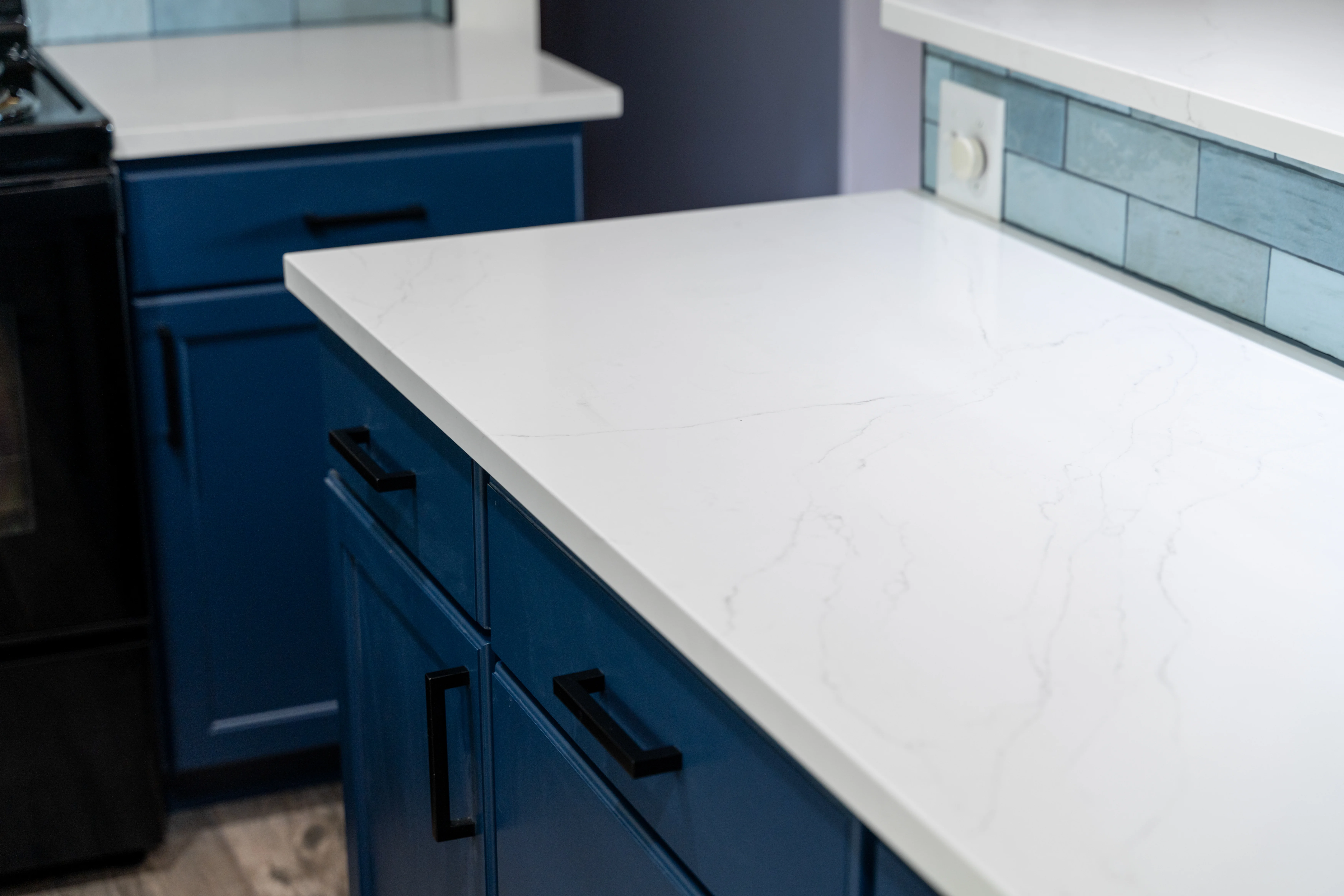
Countertop materials like butcher block, soapstone, and quartz pair well with older architecture. Where original hardwood floors exist under kitchen linoleum, restoration is almost always worth the investment.
Bathroom Renovation Ideas for Unique Layouts
Old-home bathrooms are typically small with plumbing stacks in fixed locations that make layout changes expensive. Working within those constraints is often smarter than fighting them. Plumbing can be fully updated behind the walls without altering the aesthetic. For more detail, see our bathroom remodeling guide and check out how we approached one of our recent 1980s bathroom remodel project.
Preserving Historic Character While Meeting Modern Standards
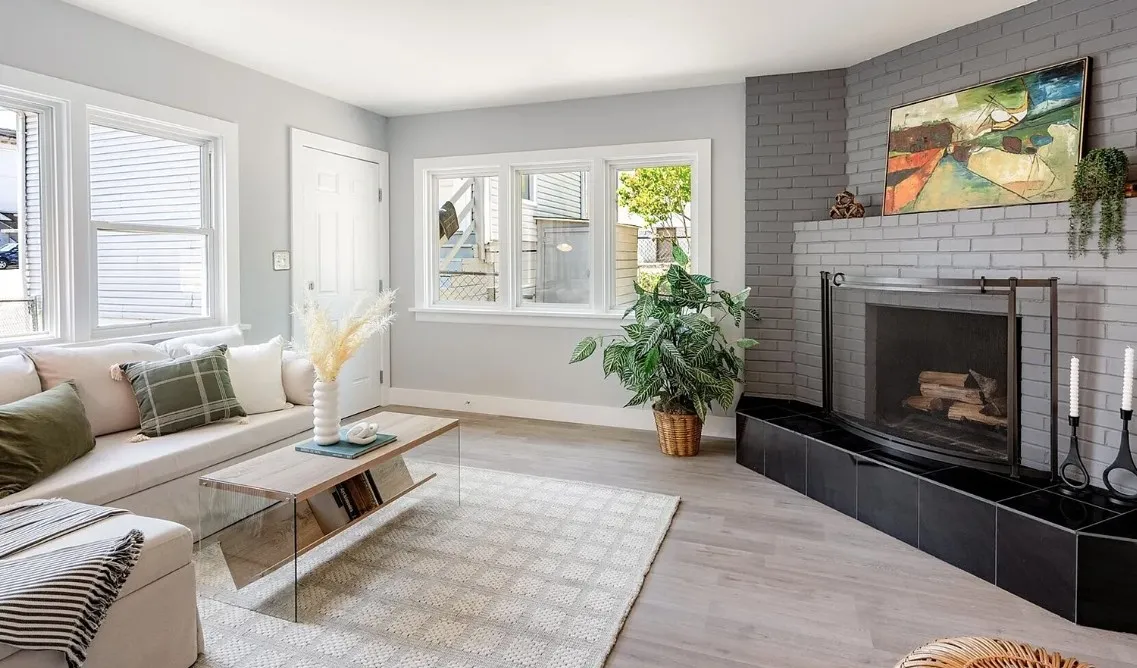
Preservation-minded renovation starts with identifying what makes the home architecturally significant and building the entire plan around protecting those elements.
The elements most worth preserving include original hardwood flooring (often superior-quality old-growth wood unavailable today), plaster walls and ceiling medallions, and original millwork.
Period windows are restorable in most cases at lower cost than full replacement. Brick or stone fireplace surrounds also add significant character worth keeping.
From a financial standpoint, homes with preserved historic character consistently command resale premiums over comparably sized homes that have been fully modernized with generic finishes.
Managing the Renovation Process
Managing home remodeling in an older home requires systems, communication, and realistic expectations. At 360 House Remodeling, we have decades of combined experience serving homeowners across King and Snohomish Counties, and that local foundation makes a real difference in how projects get managed.
- Vet your contractor thoroughly. Confirm their Washington State contractor license, verify current insurance, check references from comparable old-home projects, and require a detailed written contract.
- Expect the unexpected. Old homes reveal their issues during demolition. The homeowners who navigate this phase successfully are the ones who have set aside their contingency fund and can make decisions quickly.
- Communicate consistently. Establish a regular check-in rhythm with your contractor. Misalignment between what a homeowner expects and what a contractor is building is the single most preventable cause of renovation disputes.
Start Your Old House Remodel the Right Way
Remodeling an old house takes the right plan and the right team. Homeowners across Bellevue, Kirkland, Mercer Island, Mukilteo, Edmonds, Everett, and surrounding areas trust 360 House Remodeling to guide them through every phase.
Ready to get started? Contact 360 House Remodeling for a free consultation.
Remodeling an old house rewards preparation, patience, and the right professional partners. Every decision you make early in the process pays dividends throughout the project.
blog
Read more tips
Get fresh ideas for your next home project.Read our latest articles for quick tips on kitchen design, bathroom remodeling, and whole-home renovations that add comfort and value.

Ready to Bring Your Home Remodel to Life?
Have a vision for your home or just exploring ideas?Our team is here to guide you every step of the way.Reach out to 360 House Remodeling for a free, no-pressure consultation and start planning your next project today.