What Is a Walk-In Shower? Design, Size, and Benefits
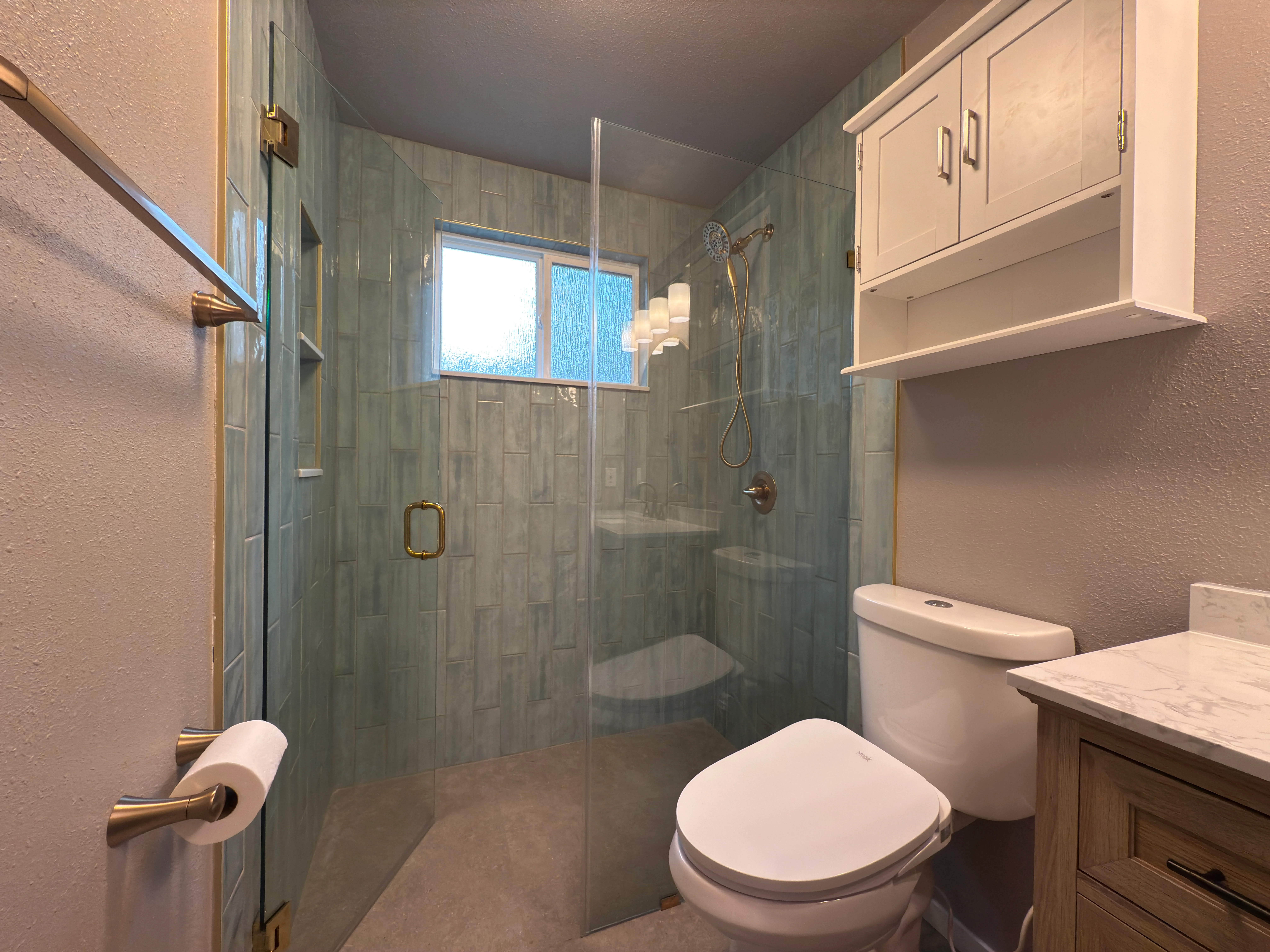

Whether you are replacing an old tub-shower combo or rethinking your primary bathroom from scratch, knowing how a walk-in shower works and what goes into planning one well can help you make a more confident decision before your remodel begins.
What is a walk-in shower? A walk-in shower is a shower without a traditional bathtub enclosure, meaning you walk straight in without stepping over a tub wall. Once you understand what a walk-in shower is and how it actually works in a real bathroom, it is easy to see why so many homeowners include one in their remodel.
Most use glass panels, open layouts, and modern drainage to create a bathroom that feels cleaner and easier to move around in. If you are already thinking about a remodel, chances are a walk-in shower has come up. Most homeowners find that it addresses the practical side of the bathroom, from how the space flows to how easy it is to use every day.
Whether you are comparing layouts or just getting started, this guide covers design, sizing, and benefits to help you decide if it fits your bathroom remodel.
What Is a Walk-In Shower?
In a walk-in shower, you go straight into the shower area without having to step over the high wall of a tub. Some are completely curbless, while others have a very low barrier to keep water confined without making access difficult or uncomfortable.
In practical terms, the layout is usually more open than a regular shower booth. Glass panels, tile walls, integrated drainage, and wide apertures all contribute to a design that feels more spacious and easy to maintain.
That is one reason walk-in showers are so popular in modern full bathroom remodels. They are not only about looks. They also make things easier to access, simpler to clean, and more comfortable to use every day.
Custom and Larger Walk-In Shower Designs
Walk-in showers vary based on your bathroom layout and remodel goals. How big is a walk-in shower supposed to be? It is one of the first questions homeowners ask, and the honest answer is that it depends on the space and how you plan to use it.
Minimum Size for Comfort
Most functional walk-in showers start around 48 x 36 inches, though larger layouts often feel more comfortable in daily use. A 36 x 36 is common in many remodels, but most homeowners find that 60 x 36 inches or bigger makes a noticeable difference in how the shower feels to use every day.
Even if the dimensions look right on paper, the shower can still feel cramped if the glass opening is narrow, the controls are awkwardly placed, or the drain slope makes the floor harder to build. Size is just one part of the equation.
How Big Can a Walk-In Shower Be?
In larger primary bathrooms, walk-in showers are often designed with wider entries, longer wall runs, built-in niches, benches, or more than one showerhead. In smaller bathrooms, the goal is usually to fit a comfortable shower without making the rest of the room feel tight.
There is no real ceiling on size. It depends on your bathroom habits, the layout, and how much space you have available.
What Are the Benefits of Walk-In Showers?
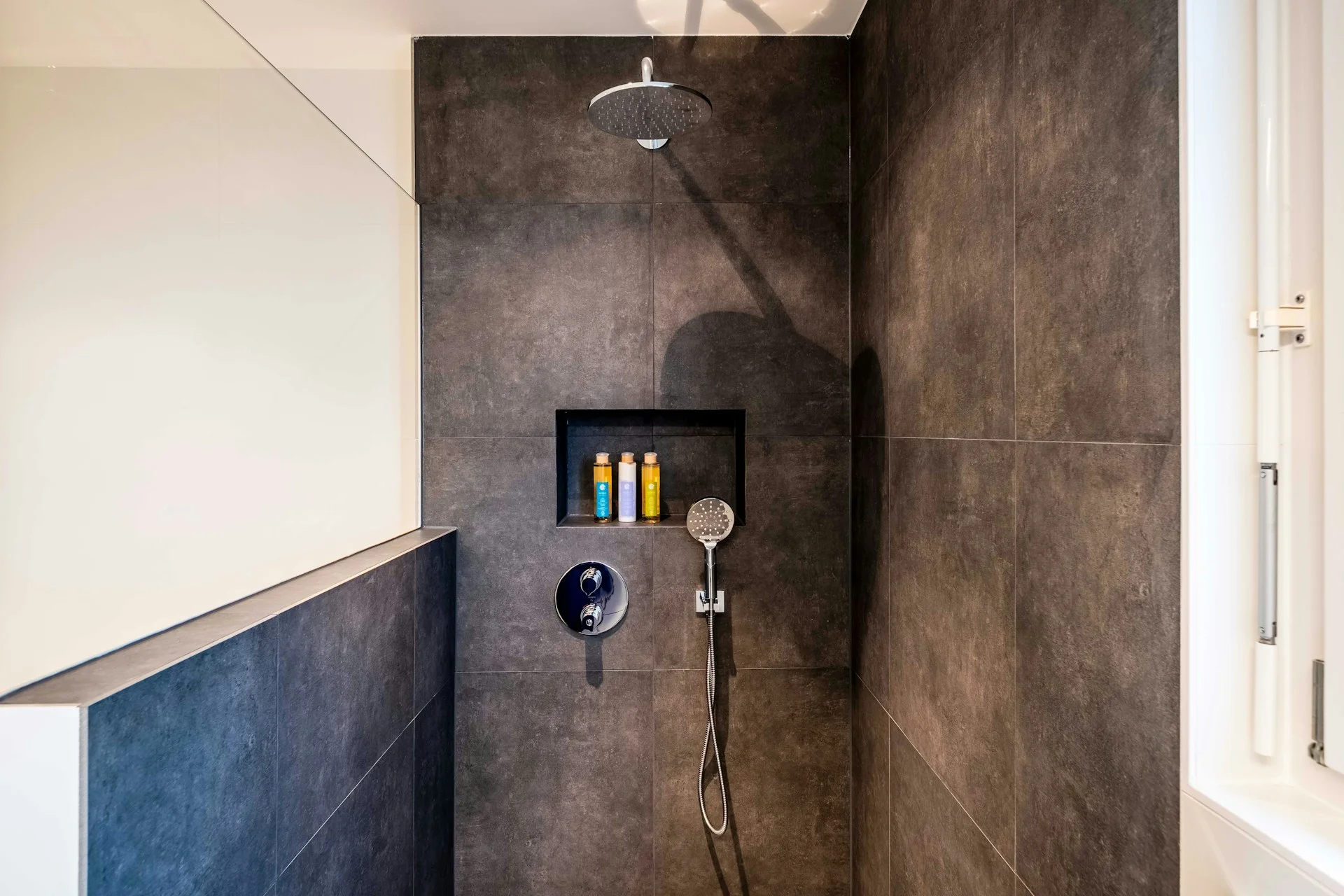
Most homeowners choose this layout because it solves more than one problem at once. When you start looking at the benefits of a walk-in shower, it goes beyond just looks. It can make the bathroom feel bigger, eliminate the bulk of a tub-shower combo, and make the space easier to move around in every day.
Many families also prioritize comfort and long-term functionality. A walk-in shower is easier to get into, simpler to clean, and easier to design around as needs change over time.
Some of the most common reasons homeowners make the switch:
• Easier entry compared to a tub
• A more open bathroom layout
• Simpler cleaning and maintenance
• A modern look that fits updated homes
Water efficiency is another reason worth considering. The EPA WaterSense program confirms that efficient showerheads use significantly less water than filling a bathtub, which adds up on your water bill over time.
The bathroom also tends to feel more complete after this update. Clear glass, larger tiles, better lighting, and more open floor space all work together to create a space that feels calmer and more intentional.
What a Walk-In Shower Actually Involves
A lot of homeowners start their research asking “what is a walk in shower?”, and end up discovering that the answer has more layers than expected. It is not just a shower without a tub. It is a design decision that affects waterproofing, drainage, framing, glass selection, ventilation, and how the rest of the bathroom is laid out. Getting all of those details right is what separates a shower that looks great in photos from one that works well for years.
At 360 House Remodeling, we treat the shower as part of the whole bathroom plan, not a standalone fixture choice. That means every decision, from the curb height to the drain placement to the glass panel configuration, is made in the context of the full room. That approach is what makes the finished result feel cohesive rather than assembled.
What Types of Walk-In Showers Are There?
The design of walk-in showers varies. The way the shower is built, the threshold, and the form of the enclosure all affect how the space works. These differences help decide how open the bathroom feels and how effectively the shower handles water during a full remodel.
Here are some of the most popular configurations in modern bathroom remodels.
Curbless Walk-In Showers
These showers remove the threshold completely, creating a seamless transition from the bathroom floor into the shower area. They are the most accessible option and tend to give the bathroom the cleanest visual finish.
Low-Threshold Walk-In Showers
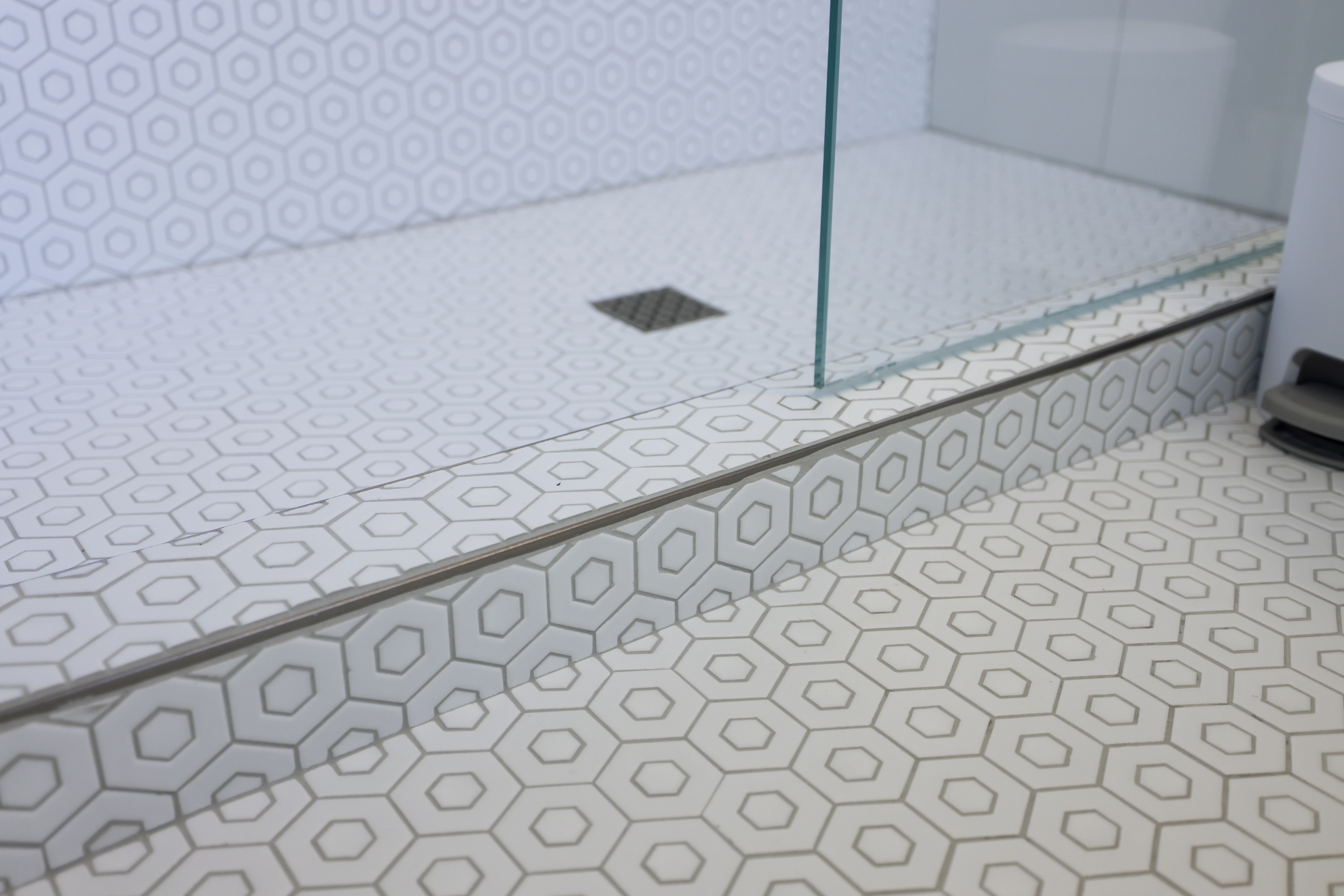
A low curb keeps water contained while still allowing easier entry compared to traditional shower and tub combinations. This is a good middle-ground option in bathrooms where drainage needs extra support.
Glass Panel Walk-In Showers
Many modern bathrooms use a fixed glass panel to keep the shower open while controlling water splash. This style keeps the bathroom feeling spacious and is one of the easier configurations to keep clean over time.
Comparing the Different Types of Walk-In Showers
Not every walk-in shower looks the same. The right version depends on the homeowner's preference for openness, the size of the bathroom, and the arrangement of the space.
People generally choose a curbless shower since it looks the cleanest and is easier to use in the long run. A low-threshold shower feels similar but has a small barrier on the floor to help with splash and drainage.
When comparing the different types of walk-in showers, the enclosure style affects how the area operates. Some plans have a permanent glass panel, others have a corner entry, while some have a larger spa-style design with more open circulation.
In remodels where water management is a concern, how you place the glass and handle drainage often matters more than just adding square footage. A well-thought-out enclosure keeps the shower functional and easy to ventilate, regardless of size.
Bathroom Layout Ideas with Walk-In Showers
A walk-in shower can work in both small and large spaces, but bathrooms with walk-in showers perform best when the whole room is planned around the shower. The layout decisions you make around it are what determine how the finished space actually feels.
Design the Whole Room Around the Shower
The best results come when the shower is not the only thing you plan. The vanity placement, door swing, lighting, and storage all affect how the finished bathroom feels. When everything works together, the room feels intentional rather than pieced together.
Use Glass and Tile to Make the Space Feel Bigger
Frameless glass, wall-mounted fixtures, and a continuous tile floor can make a bathroom feel more open without changing the footprint. This is especially true in primary bathrooms, where a master bathroom remodel benefits most from clean lines and visual openness.
Small Bathroom? Plan the Layout First
For standing shower bathroom ideas in tighter spaces, the approach is straightforward: practical footprint, recessed storage, and no heavy visual barriers. Homeowners across Bellevue and Snohomish County find that the right layout makes even a compact bathroom feel noticeably more open.
How Much Does a Walk-In Shower Cost?
Costs vary depending on size, materials, glass type, and how much of the bathroom is being updated. A simple layout sits at a very different price point than a custom design with premium finishes, a bench, and multiple showerheads.
Labor and complexity also play a big role, which is why the best way to get a realistic number for your space is to start with a free consultation.
Can a Walk-In Shower Increase Home Value?
They frequently do, especially when the shower is part of a well-planned bathroom renovation rather than a standalone design change. Buyers looking at homes generally want bathrooms that are open, modern, and easy to maintain.
That does not mean every shower upgrade delivers the same result. Layout, material quality, glass placement, tile work, and whether the bathroom still fits the home all affect how much value the remodel actually adds.
The broader remodeling picture matters too. The National Association of Realtors Remodeling Impact Report shows that bathroom remodeling is one of the updates with the most direct effect on homeowner satisfaction and resale value.
Planning a Walk-In Shower in Your Remodel
A walk-in shower makes the most sense when you want better flow, a more modern look, and a bathroom that is easier to use day to day. It also makes sense to remove a tub if it is not part of your daily routine.
The bigger question is whether the room can support the layout properly. At this stage, a walk-in shower becomes less about definition and more about execution. That means thinking through waterproofing, drain location, ventilation, framing, and fixture placement, all part of a clear bathroom remodeling process.
That is why planning the whole layout upfront makes it far simpler to avoid changes that cause delays or added costs down the line.
Is a Walk-In Shower Right for Your Remodel?
By the time most homeowners start wondering what a walk-in shower is, they are not really looking for a definition anymore. They want to know if it will make the bathroom work better, feel better, and hold up over time.
That is where planning matters most. The shower needs to fit the space, work with how your family uses the bathroom, and be built in a way that avoids problems down the road.
If you want a bathroom that feels more open and functional, 360 House Remodeling is a licensed, insured, family-owned remodeling company with 30 plus years of combined experience serving homeowners across King and Snohomish County.
We take a planning-first approach to every full bathroom remodel we take on. The goal is not only a cleaner look but making sure the layout, materials, and construction all work together from the start.
FAQ
FAQs About What Is a Walk-In Shower
Is a walk-in shower the same as a curbless shower?
How big does a walk-in shower need to be?
Are walk-in showers good for small bathrooms?
Do walk-in showers need doors?
Do walk-in showers increase home value?
Does 360 House Remodeling install walk-in showers?
Have questions about your upcoming remodeling project? We’ve got answers to help you plan your renovation with confidence.
A walk-in shower does more than update the look of a bathroom. The right size, layout, and enclosure style can make the space easier to use every day, simpler to clean, and better suited to how your household actually lives. When these details are planned properly from the start, the finished bathroom functions well for years to come.
blog
Read more tips
Get fresh ideas for your next home project.Read our latest articles for quick tips on kitchen design, bathroom remodeling, and whole-home renovations that add comfort and value.

Ready to Bring Your Home Remodel to Life?
Have a vision for your home or just exploring ideas?Our team is here to guide you every step of the way.Reach out to 360 House Remodeling for a free, no-pressure consultation and start planning your next project today.