Historic Home Renovation: Tips, Tools, Do's & Don'ts
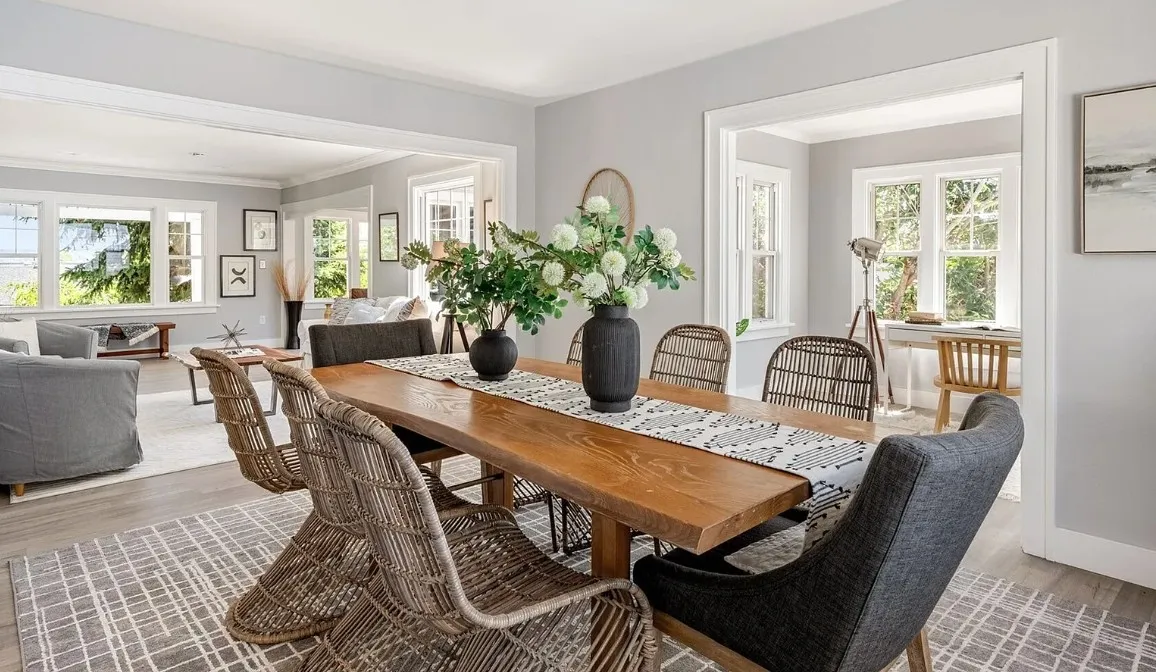

Most historic renovation mistakes happen before construction begins. Knowing your home's designation status, which permits apply, and what the law actually requires is what separates a project that moves forward cleanly from one that gets stopped mid-construction and forced into costly reversals
Owning an older home in Washington comes with real complexity. Historic home renovation means balancing preservation requirements, regulatory compliance, and modern livability. Getting anyone wrong can be expensive and hard to reverse.
At 360 House Remodeling, we guide homeowners through every dimension of this process across King and Snohomish Counties. This guide addresses how to determine your home's historic status, which renovation approach fits your goals, what the law requires, how to hire the right team, and what realistic budgeting looks like.
Whether you own a Victorian in a designated historic district or a mid-century craftsman with local landmark status, the guidance here applies directly to your situation.
Is Your Home Officially Historic? Here's What That Means
A home being old and a home being officially designated as historic are two very different things. That distinction shapes every decision you make before, during, and after renovation.
Understanding Historic Designations
A property can carry historic status at three levels: federal, state, or local. The National Register of Historic Places is the federal program maintained by the National Park Service. It recognizes properties that meet specific criteria related to age (generally at least 50 years old), integrity, and significance in American history, architecture, archaeology, engineering, or culture.
Federal listing is largely honorary. It doesn't restrict what a private owner can do with their property, but it does unlock access to federal tax credits.
State-level designations vary by jurisdiction and often mirror federal criteria with additional layers of state incentive programs attached.
Local historic district designation is where the real regulatory weight lives. Local historic preservation commissions have the authority to require review and approval before you change anything visible from a public right-of-way. These rules can be strict and highly specific, covering paint colors, window profiles, and roofing materials.
How to Research Your Home's Historic Status
Start with the National Register database, searchable by address, at the National Park Service website. Then contact your county assessor's office and local planning department. Both typically maintain records of locally designated landmarks and historic districts.
Your State Historic Preservation Office (SHPO) is another authoritative source and can clarify which designations apply to your specific parcel.
Understanding your designation before any work begins determines which permits you need, which materials are approved, which contractors are qualified, and whether your project qualifies for tax incentives. Restoration, remodeling, and rehabilitation are also distinct terms with real regulatory implications, addressed in the next section.
Restoration, Rehabilitation, or Remodeling: Which One Applies to Your Home
The right renovation approach depends entirely on your goals, your home's designation status, and your budget. These three terms are not interchangeable.
Restoration means returning a structure to its appearance at a specific period in time, removing later additions and using period-accurate materials. This is often required in strictly designated historic districts and is the most preservation-pure approach.
Rehabilitation updates a historic property for contemporary use while preserving its significant character-defining features. The Secretary of the Interior's Standards for the Treatment of Historic Properties governs this approach, and it's the baseline for federal tax credit eligibility.
Remodeling alters the layout, function, or appearance of a structure and may sacrifice historic elements entirely. It offers the most creative freedom but can disqualify a property from tax incentives and may require variance approvals in designated districts.
Preservation focuses on maintaining existing form without major intervention. It stabilizes what's there without restoring it to a prior state.
For most homeowners weighing livability against historic value, rehabilitation offers the most practical path. It satisfies preservation commissions, preserves tax credit access, and still allows meaningful modernization.
The Do's and Don'ts of Historic Home Renovation
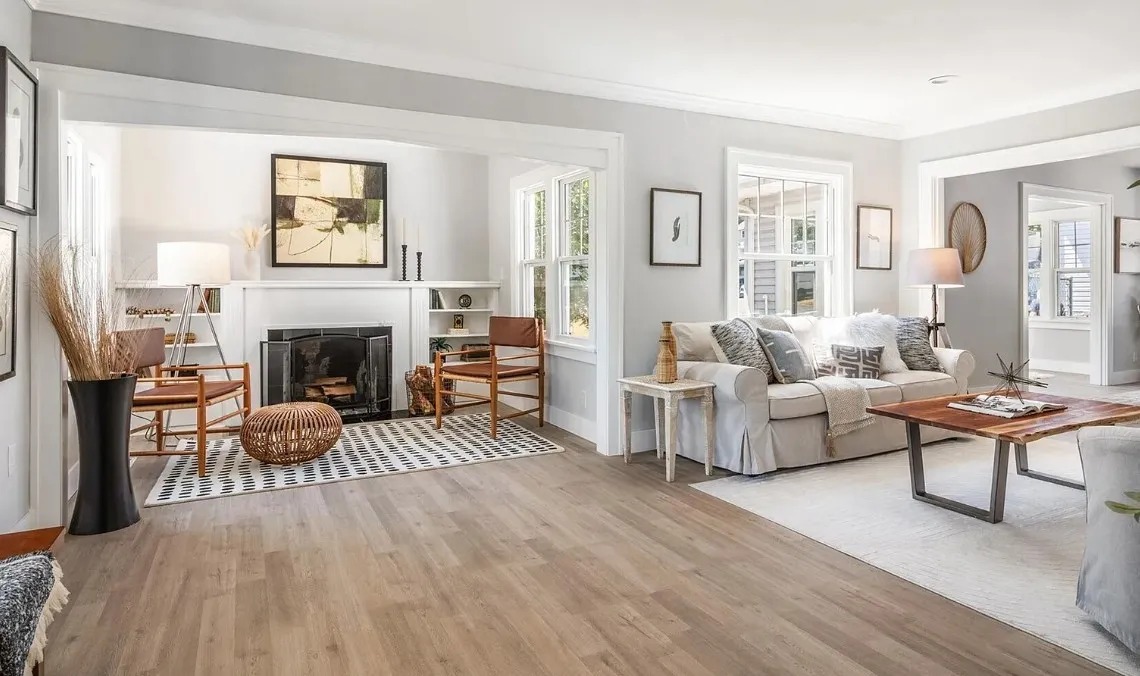
Renovation mistakes on a historic property can be irreversible, expensive to remediate, and potentially disqualifying for tax incentives. The core challenge is preserving what defines the home's character while making it livable by modern standards. A clear set of guidelines makes that achievable.
What to Preserve First
The features most often destroyed by well-meaning renovations include original plaster walls, hardwood floors, original wood windows, decorative millwork and trim, and transom windows or built-in cabinetry.
These character-defining features are what historic preservation commissions protect. Once they are gone, they are exceptionally expensive to recreate authentically.
How to Add Modern Conveniences Without Losing Historic Value
Modern systems can coexist with historic fabric when installed thoughtfully. Mini-split HVAC systems avoid the ductwork that destroys plaster. Radiant floor heat works under existing hardwood without alteration.
Electrical upgrades can be routed through existing conduit channels or unfinished spaces. Plumbing in bathrooms and kitchens can be updated with period-appropriate fixtures that meet modern performance standards.
DO:
- Document everything before touching a wall: photos, measurements, original material samples
- Use period-appropriate materials or commission-approved substitutes
- Hire specialists with verifiable historic preservation experience
- Apply for tax credits before construction begins, not after
- Consult your SHPO before finalizing any scope of work
DON'T:
- Replace original windows with vinyl; they're almost always salvageable, and commissions rarely approve the substitution
- Cover original hardwood floors with tile or engineered products
- Install modern HVAC systems that require cutting through original plaster or structural elements without specialist oversight
- Assume a general contractor has historic renovation experience; always verify with specific project references
- Begin any exterior work in a designated district without confirming whether a Certificate of Appropriateness is required
Hiring a contractor without specific historic preservation experience is the single most common cause of irreversible mistakes in historic home renovation.
The Permits and Tax Credits You Need to Know About
The legal framework for historic home renovation is more layered than standard remodeling, but it also comes with meaningful financial rewards for homeowners who engage in it correctly.
What Financial Incentives Are Available
The federal Historic Tax Credit provides a 20% tax credit on qualified rehabilitation expenditures for income-producing historic properties. For homeowners, the more relevant programs are state-level residential historic tax credits, with many states offering credits of 20–25% on approved rehabilitation costs.
These are not deductions. They reduce your actual tax liability dollar for dollar. To qualify, work must conform to the Secretary of the Interior's Standards for Rehabilitation.
When you combine rising property values with a 20–25% tax credit on renovation costs, the financial case for approaching historic home renovation correctly rather than cutting corners becomes compelling.
What a COA Is and What Happens Without One
A Certificate of Appropriateness (COA) is a written approval issued by a local historic preservation commission that authorizes proposed exterior changes to a designated property. It's required before you pull a standard building permit in most designated districts.
Renovating without a COA when one is required creates serious legal exposure. Consequences include stop-work orders, mandatory reversal of completed work at your expense, fines, and potential loss of future tax credit eligibility. The Section 106 review process adds a federal layer for any project receiving federal funding or licensing.
How to Find the Right Contractors and Architects for Your Historic Home Renovation

Finding qualified contractors for historic renovation is different from hiring for a standard remodel. The wrong hire is the single most common cause of irreversible mistakes. Start your search through your SHPO's referral list, local preservation societies, and neighbors in the same historic district.
When you interview candidates, these questions separate specialists from generalists:
- Have you worked with this specific local historic commission, and can you provide references?
- How do you handle an unexpected structural discovery mid-project in a historic home?
- Are you familiar with the Secretary of the Interior's Standards for Rehabilitation?
- How do you document original conditions before beginning work?
At 360 House Remodeling, we work in Snohomish and King Counties with direct knowledge of local building codes, historic district requirements, and the commission relationships that keep projects on track. Old-home remodeling in this region carries specific challenges, and knowing them before starting work is very helpful.
Room-by-Room Renovation Priorities for Historic Homes

Historic renovation challenges vary significantly by where in the house you're working. A room-by-room approach helps prioritize scope and avoid costly surprises.
How to Update the Most-Used Rooms Without Destroying Historic Character
Kitchens and bathrooms are where modern needs most directly conflict with historic fabric. The solution is functional modernization with visual restraint. Panel-front appliances, period tile reproductions, and historically accurate fixtures all let you update the function without losing the character.
Avoid open-concept demolition of load-bearing walls that also carry historic character.
Windows and doors are among the most contested elements in any historic renovation. Original windows are far more salvageable than most homeowners assume. Weather-stripping, glazing compound, and exterior storm windows can bring single-pane originals to near-modern energy performance without replacement.
Salvaging originals typically costs 30–50% less than sourcing period-accurate custom replacements, and preservation commissions almost universally prefer it.
Floors should be refinished rather than replaced wherever possible. Quarter-sawn white oak, heart pine, and Douglas fir each have distinct grain patterns that mismatched lumber makes obvious.
How to Bring Mechanical Systems Up to Code Without Damaging Historic Materials
Electrical systems in pre-1950 homes commonly include knob-and-tube wiring, which must be replaced but can be done without destroying plaster walls through careful routing via attic spaces, basements, and existing conduit channels. Aluminum wiring from the 1960s and 1970s requires specific remediation approaches.
Plumbing in older homes typically involves galvanized steel supply pipes and cast-iron drain lines. Galvanized pipes corrode from the inside out and should be replaced with copper or PEX, routed to minimize wall openings. Cast-iron drain lines are often still functional and can be retained if inspections confirm integrity.
HVAC is the highest-risk system for historic material damage. Ductwork routing through walls and ceilings causes irreversible damage to plaster and original structural elements when done without specialist oversight. Mini-split systems and hydronic radiant heat are the two most preservation-compatible solutions for most historic home layouts.
What a Historic Home Renovation Actually Costs
Historic home renovation consistently costs 20–40% more than comparable standard renovations, and understanding why helps you build a budget that doesn't collapse at the first unexpected discovery.
The primary cost drivers are specialist labor rates, period-accurate or commission-approved materials (which carry significant premiums over standard substitutes), COA and permit fees, the time cost of regulatory review cycles, and the structural surprises that are statistically common in pre-1950 construction. We budget lead paint abatement, asbestos remediation, and foundation issues discovered during renovation separately, and they are often substantial.
Our Everett restoration of a 1915 home, a full gut covering a kitchen, four bedrooms, three bathrooms, a basement, and all major systems, came in at $295,000 over 16 weeks. Every project is different, and your final number will depend on home size, current system condition, scope of work, and what the walls reveal once demolition begins.
Where your project lands generally follows the scope:
- Cosmetic work (finishes, fixtures, trim): lower investment
- Partial rehabilitation (kitchen, bathrooms, mechanical systems): mid-range
- Full structural restoration: the most significant investment, with our Everett project as one real reference point
This is not optional padding. It reflects the reality of working in pre-code structures, where the next wall you open may contain something that changes your entire plan.
U.S. house prices rose 1.8 percent year over year as of Q4 2025, according to the Federal Housing Finance Agency. A well-executed historic rehabilitation that captures available tax credits and preserves the property's distinctive character delivers genuine financial return alongside livability gains.
Start Your Historic Home Renovation With the Right Plan
A well-executed historic home renovation starts long before the first wall opens. It starts with understanding what you own, what the law requires, and who you trust to execute the work.
As a trusted contractor in Mill Creek, Washington, 360 House Remodeling guides homeowners across Bellevue, Kirkland, Everett, Mill Creek, and surrounding King and Snohomish County communities through every phase of this process. If you're ready to move forward, request a free consultation, and we'll help you build a plan that protects what makes your home worth preserving.
FAQ
FAQs About Historic Home Renovation
How Do I Know if My Home Qualifies as a Historic Property?
Can I Renovate a Historic Home Without Losing Tax Credit Eligibility?
Do I Need Special Permits to Renovate a Historic Home?
What Is the Biggest Mistake Homeowners Make When Renovating a Historic Property?
Have questions about your upcoming remodeling project? We’ve got answers to help you plan your renovation with confidence.
Historic home renovation done right protects the character that makes your home worth owning while building it for the way you live today. If you are ready to move forward, schedule your free consultation with 360 House Remodeling.
blog
Read more tips
Get fresh ideas for your next home project.Read our latest articles for quick tips on kitchen design, bathroom remodeling, and whole-home renovations that add comfort and value.

Ready to Bring Your Home Remodel to Life?
Have a vision for your home or just exploring ideas?Our team is here to guide you every step of the way.Reach out to 360 House Remodeling for a free, no-pressure consultation and start planning your next project today.