House Remodeling vs. Renovating: Key Differences
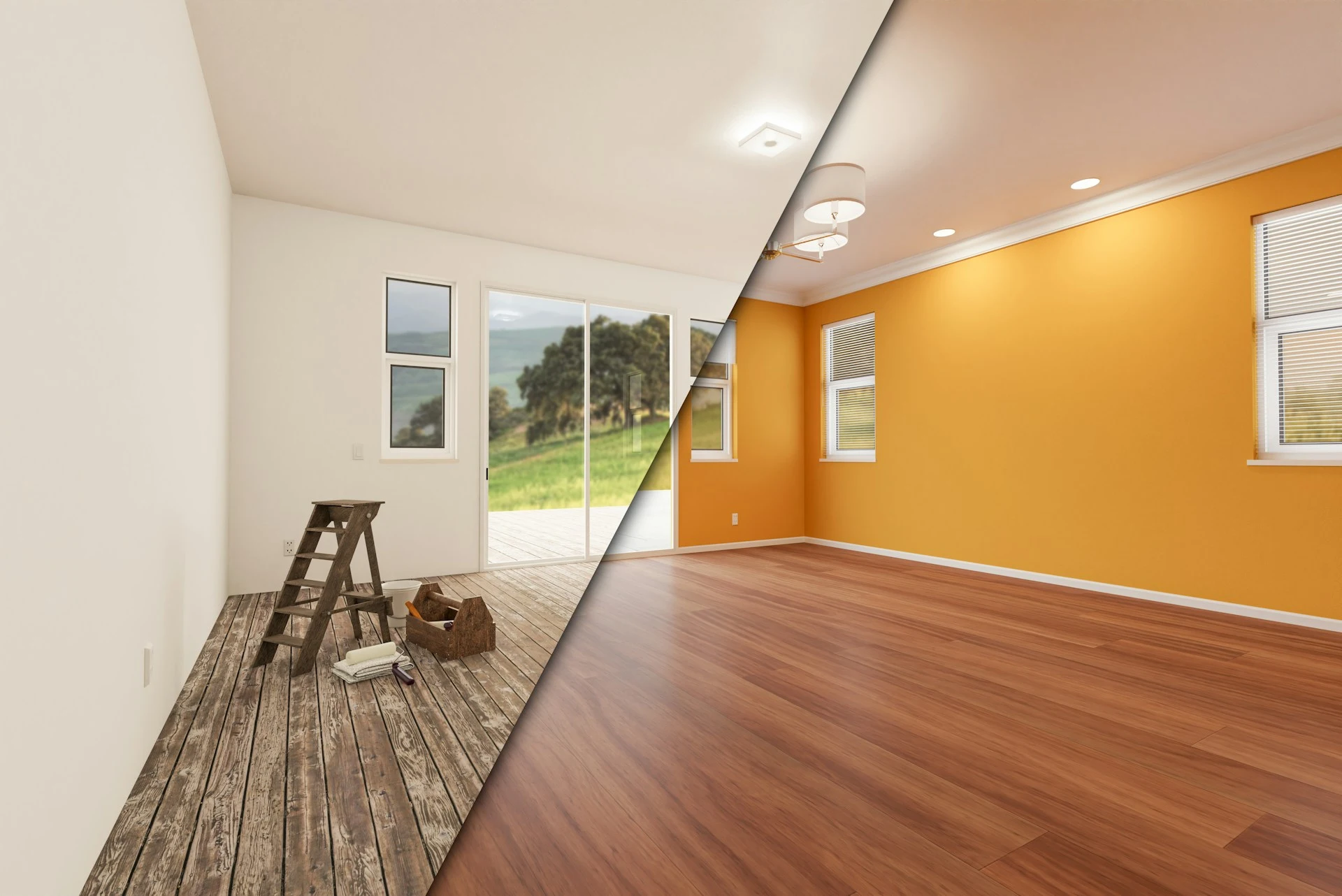

Homeowners often use “remodeling” and “renovating” interchangeably, but the two involve very different scopes of work, permitting requirements, and budgets. Understanding the difference early helps you plan the right project, hire the right team, and avoid costly mid-project surprises.
When a family sits down to plan a home remodeling project, one of the first questions is “what is the difference between house remodeling and renovating?”
The answer shapes your project scope, permit requirements, and timeline from day one. Renovation refreshes a space without changing its structure, while remodeling changes the layout, function, or structure of a space entirely.
Renovation vs. Remodeling: The Core Definitions

Renovation means restoring or updating a space to improve its appearance or condition without altering its function or structure. Fresh paint, new flooring, updated light fixtures, and replaced cabinet hardware are all renovations. Is painting considered renovation? Yes, cosmetic updates like painting fall under the renovation category. The space looks better, but the bones stay the same.
Remodeling means changing the structure, layout, or purpose of a space. In practical terms, renovation versus remodeling comes down to whether the project removes a wall to create an open floor plan or simply refreshes what is already there. Reconfiguring a kitchen's footprint, converting a basement into a living area, or redesigning a bathroom layout entirely are all remodels. When the scope calls for licensed contractors, architectural drawings, and permits, you are in remodeling territory.
Renovation and Remodeling Side by Side: A Direct Comparison
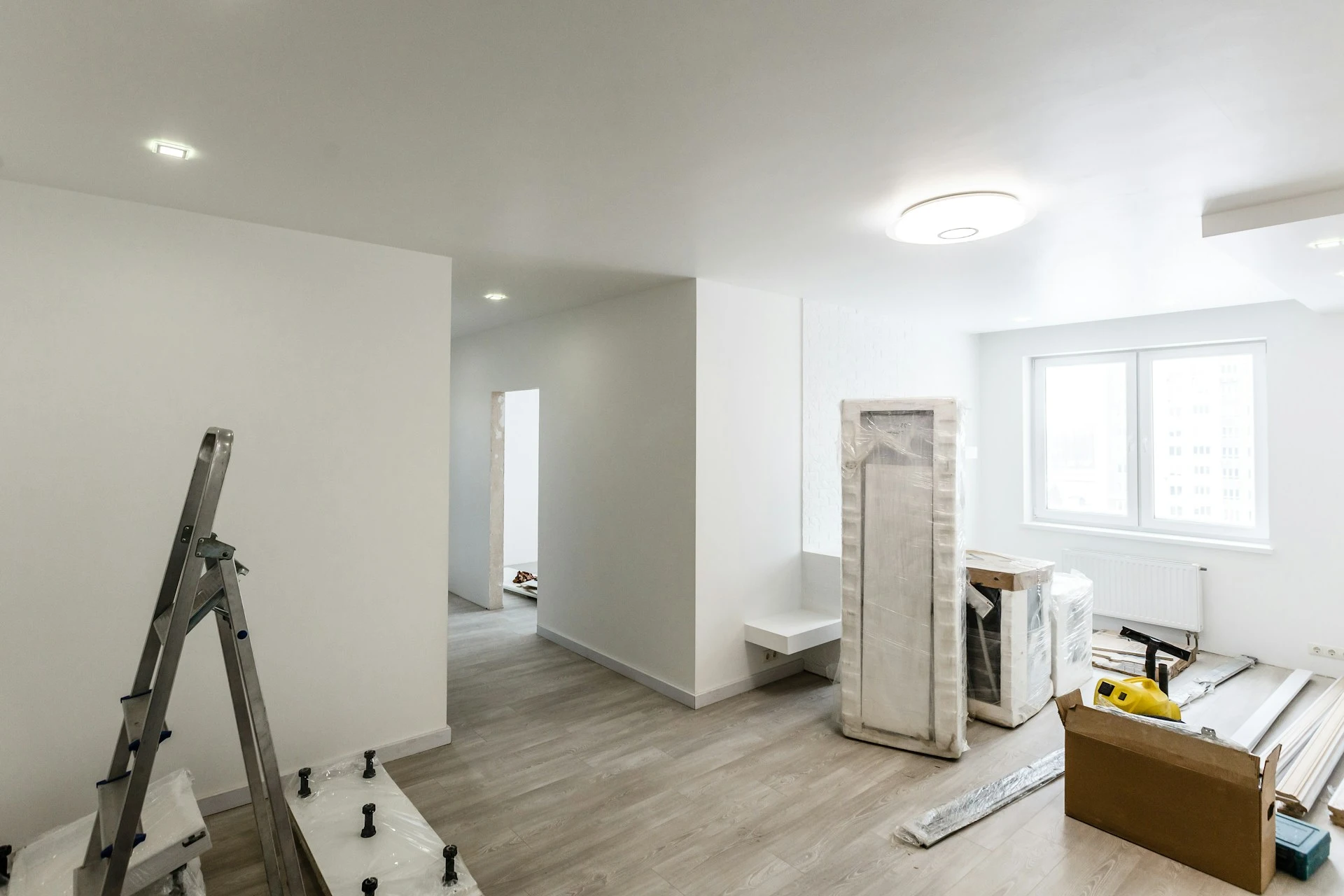
Understanding what is the difference between remodeling and renovating a house is clearest when you compare both across the criteria homeowners care about most.
The right choice between these two home improvement projects depends entirely on what you need your space to do. If the layout works but the room looks dated, renovation is likely enough. If the layout itself is the problem, no amount of fresh paint will fix it, and that is where remodeling earns its higher investment.
The difference between renovation and remodeling becomes especially clear once scope conversations begin.
When Renovation Makes More Sense, and When To Remodel Instead

Knowing whether to renovate or remodel comes down to your goals, your timeline, and how the space currently functions for your household.
Signs Your Project Is Renovation Territory
Choose renovation when the layout works well but the space looks dated or worn, when you want to increase buyer appeal before listing the home within one to two years, when you are refreshing a rental property between tenants, or when your goal is purely cosmetic: new surfaces, updated finishes, better lighting. Renovations like painting, flooring, and fixture replacement are also more DIY-friendly for capable homeowners, though larger projects benefit from professional project management to keep scope and sequencing on track. The scope is contained, the risk is lower, and no permits are typically required.
Signs You Actually Need a Remodel
Choose remodeling when the current layout no longer works for how your family lives, when you need added functionality like an open-plan kitchen or an accessible bathroom, when the structure itself has problems that surface updates will not fix, or when you plan to stay in the home for five or more years and want the space to fit your life long term. Remodeling older homes can be especially complex, because projects that alter structure, plumbing, or electrical systems almost always require licensed contractors due to safety and code requirements.
Homes built before the 1980s often need updated wiring, plumbing, or insulation before any layout changes can begin, adding planning time and cost that a purely cosmetic renovation would not carry. Misclassifying a remodel as a renovation is one of the most common, and most expensive, errors homeowners make when starting a project.
The Hidden Factors That Change Your Decision

Three variables most homeowners overlook when choosing between renovation and remodeling can change which path makes sense for their home.
Permit complexity
Remodeling projects that involve structural changes, electrical work, plumbing relocation, or HVAC modifications almost always require permits. Skipping permits on a remodel can result in fines, failed inspections, and serious complications when you sell the home. Renovation projects like painting, flooring, and fixture swaps rarely trigger permit requirements. Because permit rules vary by municipality, early contractor consultation is one of the most valuable steps homeowners can take before committing to a project scope.
Resale timing
If you are selling within one to two years, a strategic renovation often delivers better return because buyers frequently want to customize a space themselves. If you are staying five or more years, a remodel that fits how you actually live can justify the higher investment. For homeowners considering home remodeling in Mill Creek and surrounding communities, resale timing in the greater King and Snohomish County market is an important planning variable given local market conditions.
Hidden structural surprises
Older homes frequently uncover issues behind walls, including outdated wiring, water damage, or materials that require remediation before work can continue. Renovation projects rarely encounter this depth of surprise because the work typically stays at the surface level. A gut renovation project, for example, can reveal conditions that push a planned renovation into full remodel territory once the walls come down.
The team at 360 House Remodeling sees this regularly in the King and Snohomish County area. A homeowner in Snohomish County approached a project expecting a straightforward kitchen update, but during the 3D design and planning phase, the team identified that the existing layout required structural changes to meet the homeowner's goals, making it a true remodel, not a renovation.
Catching that early, before construction began, saved the homeowner from mid-project surprises and costly scope overruns. That planning-first approach, including architectural drawings and detailed 3D design before a single wall is touched, is a core part of how 360 House Remodeling manages projects, with dedicated project managers guiding homeowners through every phase.
FAQs About What Is the Difference Between House Remodeling and Renovating
These are the questions homeowners ask most often about what is the difference between house remodeling and renovating.
What is the difference between house remodeling and renovating?
Renovation updates the appearance of a space without changing how it functions, think new paint, flooring, or fixtures. Remodeling changes the structure, layout, or purpose of a space, like removing a wall, reconfiguring a kitchen, or converting a garage. If the footprint or function changes, it is a remodel.
Do you need a permit for a renovation or a remodel?
Cosmetic renovations like painting, flooring, or fixture replacement typically do not require permits. Projects that alter structure, move plumbing, relocate electrical, or modify HVAC almost always do. Skipping permits on remodeling work can lead to fines, failed inspections, and complications at resale.
Which adds more value to a home, renovation or remodeling?
It depends on your timeline. Strategic renovations often deliver strong return if you plan to sell soon, because they improve buyer perception at a lower cost. A remodel that adds functional space or modernizes a layout can add significant long-term value if you are staying in the home for years. A contractor who plans before building can give you an accurate project classification and scope estimate before any commitment is made, so you are investing in the right type of project from the start.
Key Takeaways
- Renovation updates a space cosmetically without changing its structure; remodeling changes the layout, function, or structure of a space.
- Remodeling almost always requires permits and licensed contractors; renovation rarely does.
- Hidden structural surprises, permit complexity, and resale timing are the three most overlooked factors when choosing between renovation and remodeling.
- A planning-first approach, with architectural drawings and 3D design before construction begins, is the best way to avoid mid-project surprises on either type of project.
Call 360 House Remodeling at (206) 672-2141 or contact us to schedule your free consultation and find out whether your project is a renovation, a remodel, or something in between. We will help you plan it right from the start.
Knowing whether your project is a renovation or a remodel helps set the right expectations for scope, budget, and timeline from the start. When those details are planned properly before construction begins, homeowners avoid the miscommunication and change orders that drive up costs and delay completion.
blog
Read more tips
Get fresh ideas for your next home project.Read our latest articles for quick tips on kitchen design, bathroom remodeling, and whole-home renovations that add comfort and value.

Ready to Bring Your Home Remodel to Life?
Have a vision for your home or just exploring ideas?Our team is here to guide you every step of the way.Reach out to 360 House Remodeling for a free, no-pressure consultation and start planning your next project today.