How Tall Are Kitchen Islands? A Quick Guide
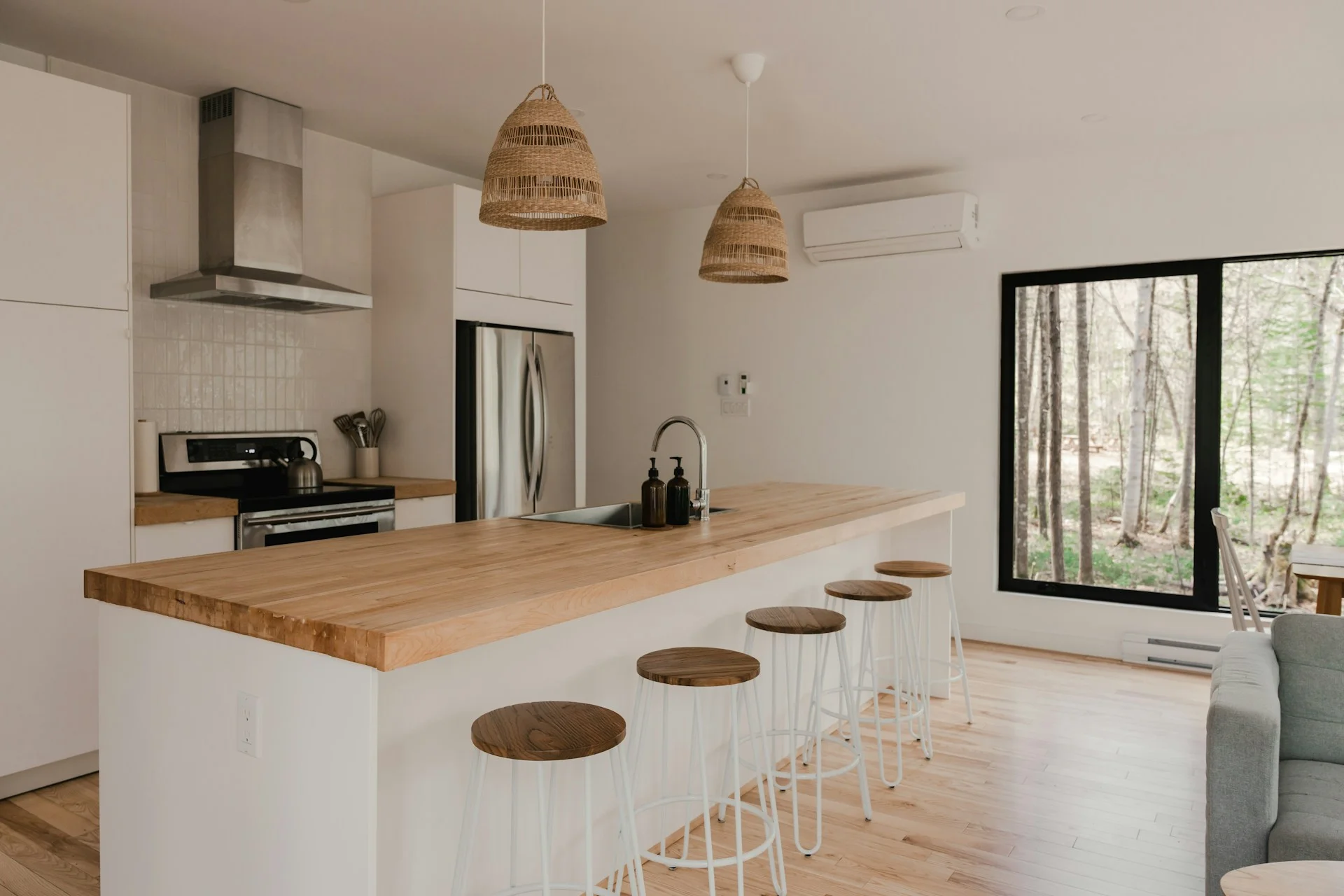

Kitchen islands play a central role in how a kitchen works day to day. From meal prep and cooking to casual seating and gathering, the height of the island affects comfort, workflow, and how the space feels overall. Knowing the standard kitchen island height and when it makes sense to adjust it can help homeowners plan a kitchen that functions better for everyday use.
When you begin planning a kitchen remodel, one of the first questions to answer is how tall kitchen islands are. This single dimension shapes your kitchen's ergonomics, affecting everything from how comfortably you prep meals to how your family gathers around the space on a busy morning.
Most residential kitchen islands are built at a standard counter height of 36 inches. That said, in full kitchen remodels across Bellevue, Kirkland, and Mill Creek, the right height always depends on how homeowners plan to use the space. At 360 House Remodeling, we treat island dimensions as part of the overall layout plan, confirmed before construction begins.
Our guide to kitchen remodel timelines walks you through every stage of the full process.
Key Takeaways
• The standard kitchen island height is 36 inches, matching most kitchen counters.
• Bar-height islands at 42 inches work well for seating and casual dining areas.
• Safe mobility requires 42 to 48 inches of clearance around the island.
• A functional island needs at least 24 inches of width for prep work, and 36 to 42 inches if seating is included.
• The best island height and size depends on how you use your kitchen every day.
How Tall Are Kitchen Islands Supposed to Be? Standard Kitchen Island Height
The standard kitchen island height is 36 inches from the finished floor. For most homeowners, this height is comfortable for prep work and creates a seamless visual flow between the island and surrounding cabinetry.
The NKBA's kitchen planning guidelines outline specific recommendations for layout, including passageway widths and clearance distances. During our design consultations, we recommend standing where the island will be placed and running through your most frequent kitchen tasks, including chopping, mixing, and plating, before locking in a height. If you tend to hunch or overextend your arms, that standard 36 inches may need adjusting.
Counter Height or Bar Height for Kitchen Islands
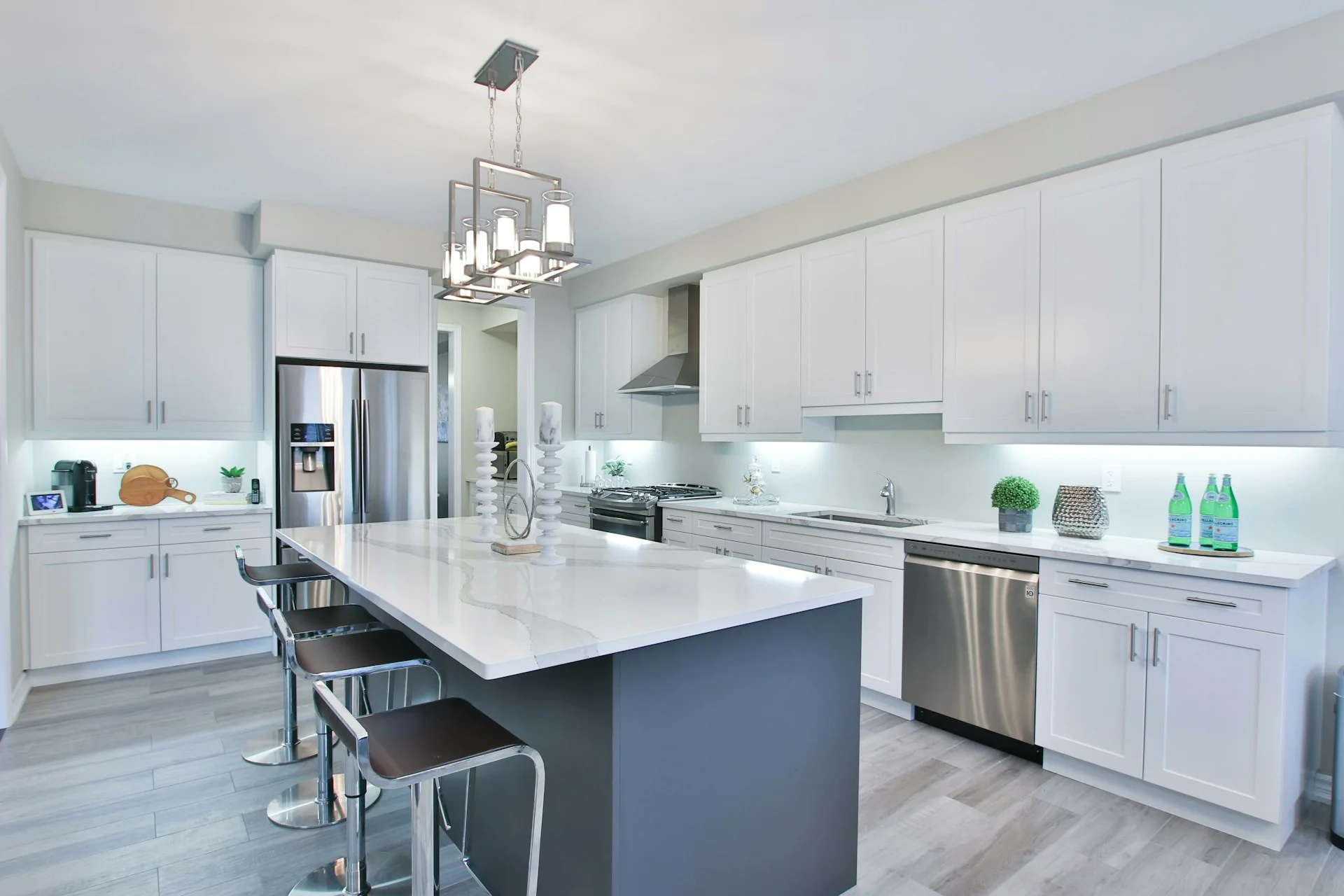
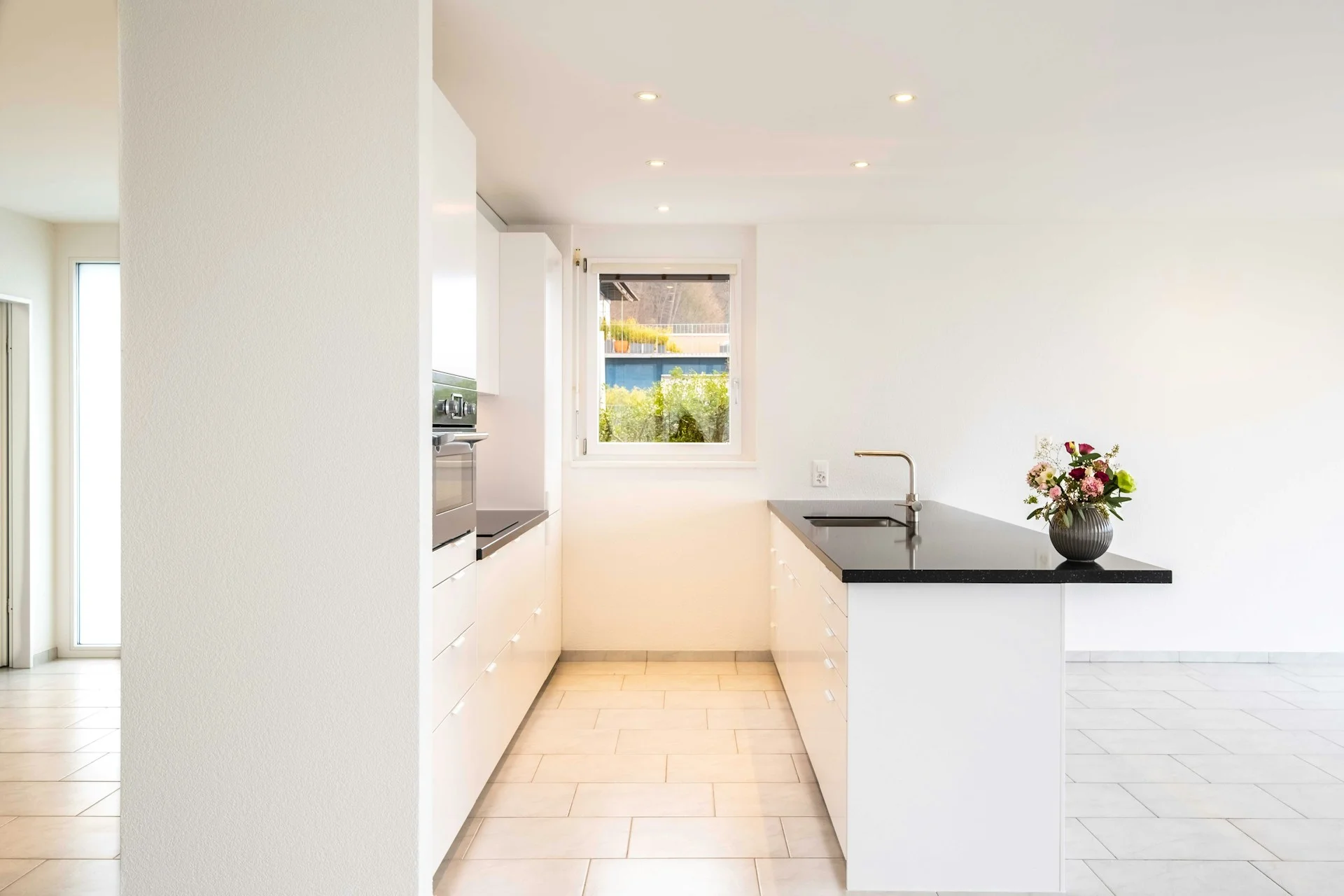
Choosing the right dimensions of a kitchen island means balancing your work surface needs with how you actually use the kitchen day to day. While 36 inches is the standard, many homeowners opt for a 42-inch island instead. Both are valid choices, and the right one depends on your lifestyle and how the kitchen is being planned as a whole.
Standard Counter Height: 36 Inches
A 36-inch island creates a level, continuous workspace that integrates naturally with surrounding cabinetry. It is ideal for meal prep, baking, and everyday cooking. It pairs well with counter-height stools at a seat height of 24 to 26 inches, and it offers a larger, uninterrupted surface that works well for families who cook often.
Raised Bar Height: 42 Inches
A 42-inch island is a popular choice in open-concept homes where the island doubles as a visual divider between the kitchen and living areas. It creates a natural gathering spot, keeps countertop clutter out of sight from adjacent rooms, and pairs with bar-height stools at a seat height of 28 to 30 inches. Guests can sit and chat with the cook without getting in the way.
Kitchen Island Size Planning
Getting the height right is only part of the picture. The overall size of the island, including its width and length, has just as much impact on how the space functions. At 360 House Remodeling, we plan all of these dimensions together as part of the full kitchen layout before a single cabinet is ordered or a wall is touched.
In practice, the right kitchen island size gives you useful surface area without pinching walkways or blocking doors. Before we get into finishes or appliances, we run through these practical checks in every early layout review:
• Enough prep surface for daily cooking
• Seating space if stools are part of the plan
• Storage capacity below the counter
• Clear walking space on all sides
For width, a functional island needs at least 24 inches for prep work alone. If seating is part of the design, aim for 36 to 42 inches so there is a comfortable 12 to 15 inch knee overhang. For length, plan on 24 inches of horizontal space per person seated. A six-foot island comfortably seats three people, while an eight-foot island works well for four.
Getting these numbers locked in early is what keeps a full kitchen remodel on schedule and on budget. Our home remodeling tips guide covers how to approach these decisions before construction begins, so you avoid the change orders and delays that come with figuring things out mid-project.
Kitchen Island Clearance and Spacing
Height and size alone will not save a layout that is too cramped to move through comfortably. The island needs to work within the room, the pathways, and the work zones all at once. For most layouts, plan on 42 to 48 inches of clearance around the island on all active sides. The Washington State Building Code provides baseline requirements for safe passage that are worth reviewing early in your planning process.
It is also worth knowing that the height and configuration you choose can affect your overall project budget. Tiered or raised islands require additional structural work, which can influence the overall cost of your kitchen remodel. At 360 House Remodeling, we walk through all of these trade-offs during your initial consultation so there are no surprises once construction is underway.
How 360 House Remodeling Plans Your Kitchen Island
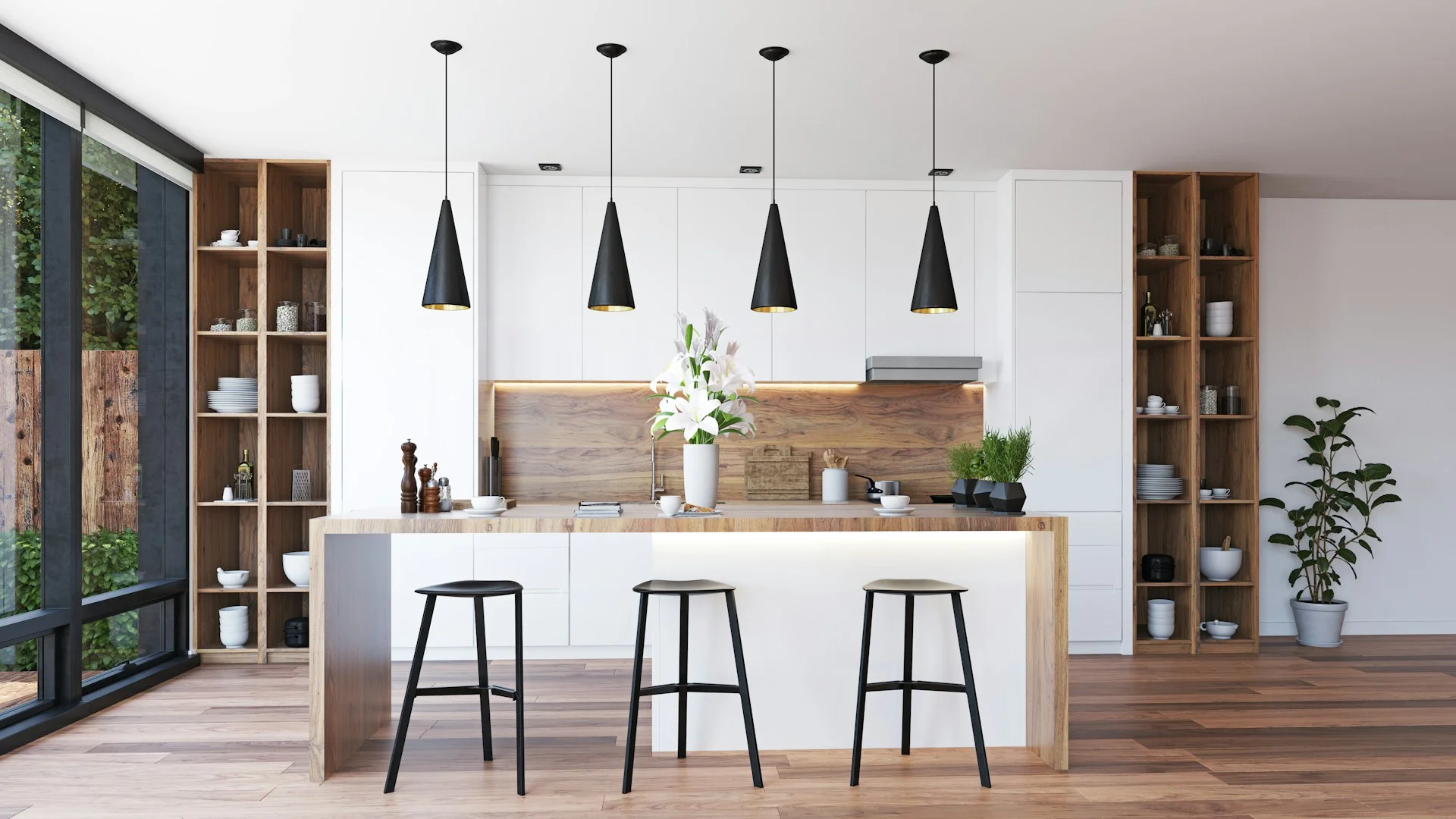
Island height, width, length, and clearance are not decisions we leave to guesswork. As a licensed, insured, family-owned remodeling company serving King and Snohomish County, we plan every detail before construction begins. Our team handles design, layout, structural coordination, and construction as one integrated process, so every dimension works together from the start.
We serve homeowners across Bellevue, Kirkland, Mercer Island, Mukilteo, Edmonds, and beyond. Every kitchen remodel we take on starts with a detailed layout review, 3D design, and a clear plan covering every dimension, including the island, so nothing gets changed mid-build. Explore our kitchen remodeling services to learn more about how we work.
Making Your Island Height Work for Your Home
Knowing how tall kitchen islands should be is one of those details that looks simple on paper but has a real impact on how much you enjoy your kitchen every day. Whether you are optimizing for prep work, casual dining, or open-concept flow, the right height is just one part of a well-planned kitchen remodel.
If you are thinking about a full kitchen remodel in King or Snohomish County, our team at 360 House Remodeling is ready to help you plan it properly. We offer free in-home consultations where a project manager visits your space, reviews the layout, and walks you through the full scope from design to construction. Schedule your free consultation today and let us help you build a kitchen that works as well as it looks.
FAQ
FAQs About How Tall Are Kitchen Islands
How tall are kitchen islands on average?
Can a kitchen island be 42 inches tall?
How much clearance should I leave around a kitchen island?
What is the minimum width for a kitchen island?
Do island changes require permits?
Does 360 House Remodeling handle kitchen island planning?
What areas does 360 House Remodeling serve?
Have questions about your upcoming remodeling project? We’ve got answers to help you plan your renovation with confidence.
A well-designed kitchen island does more than add extra counter space. The right height, size, and layout can make cooking easier, improve traffic flow, and create a natural gathering spot in the home. When these details are planned properly from the start, the entire kitchen functions better for years to come.
blog
Read more tips
Get fresh ideas for your next home project.Read our latest articles for quick tips on kitchen design, bathroom remodeling, and whole-home renovations that add comfort and value.

Ready to Bring Your Home Remodel to Life?
Have a vision for your home or just exploring ideas?Our team is here to guide you every step of the way.Reach out to 360 House Remodeling for a free, no-pressure consultation and start planning your next project today.