How Long Does It Take to Renovate a Kitchen? A Real Timeline


A kitchen remodel is a process with multiple stages that impact how long it takes to complete. Understanding the timeline helps you plan better, avoid delays, and stay within budget.
How long does it take to renovate a kitchen? Each project is different, and each kitchen has its own timeline, but the average time for kitchen remodels is usually 4 to 8 weeks of construction, and it takes longer with design and proper planning.
A complete kitchen remodel gets into too much detail and is much deeper than a basic refresh. Most of the time is spent planning, making design decisions, ordering materials, and coordinating inspections.
Knowing what to expect at each step helps you manage your schedule, budget, and stress levels, and ensures you’ll love the final result. In this guide, we’ll walk you through a step-by-step-kitchen remodel guide, what happens in each phase, and what you can do to keep your kitchen renovation on track.
How Long Does It Take to Renovate a Kitchen: A Realistic Overview From Start to Finish
.webp)
When most homeowners think about a kitchen remodel, they imagine demolition, new cabinets going in, and a sparkling finished space. The truth? The first half of your timeline isn’t on the construction site at all. Planning, design, and prep take the biggest share of your project, sometimes more than the construction itself.
Even though it can feel like nothing is happening at times, this pre-construction effort sets the foundation for a smooth renovation. Understanding where the time goes helps you plan, budget, and communicate with your contractor, so when demolition day finally arrives, everything flows efficiently.
Why Timelines Vary So Much
No two kitchen renovations move at the same pace. Even with a solid plan, small decisions and unexpected events can shift the schedule. From the moment you start thinking about your dream kitchen, each project has its own rhythm, influenced by the way choices, coordination, and surprises unfold.
- Decision Timing: When selections like cabinets, countertops, or finishes take longer than planned, it slows down the next steps.
- Coordination Complexity: Multiple trades working in sequence, like electricians, plumbers, installers, mean one delay can ripple through the project.
- Unforeseen Surprises: Hidden issues like old wiring, uneven floors, or plumbing quirks often show up once construction begins, adding unexpected days.
These variations don’t mean your kitchen renovation is off track, but simply reflect the reality of complex projects. By understanding that timelines are flexible, you can approach your renovation with patience and confidence, ready for each stage of the process.
Overview of the Average Time to Remodel a Kitchen
Pre-Construction Phase: Where Most of the Time Goes
The pre-construction phase is critical to the success of any kitchen renovation. This stage focuses on careful planning, strategic decision-making, and thorough preparation. Time invested here ensures that the project proceeds efficiently, minimizes unexpected delays, and lays a solid foundation for the construction and post-construction phases.
Planning, Design, and Idea Development
Choosing layout, finishes, and appliances is more than picking colors. It means measurements, design meetings, and making choices you’ll live with for years. This phase usually takes several weeks and sets the tone for the rest of the timeline.
Good planning now can prevent costly changes later, like discovering your appliances don’t fit or your workflow feels awkward. Considering how you use your kitchen daily makes the design both functional and enjoyable.
Hiring Contractors and Comparing Bids
Getting a good team matters. You’ll meet contractors, review bids, check references, and lock in schedules. This might take a couple of weeks depending on how many quotes you collect and how soon people are available.
Hiring the right contractor isn’t just about price; experience and communication matter a lot. A reliable contractor helps anticipate challenges and keeps your project on schedule.
Permits, Approvals, and Inspection Delays
Depending on your city and scope of work, kitchen remodel permits and approvals can take weeks, especially if you’re moving plumbing, electrical, or walls. This step is easily one of the biggest timeline variables.
Each municipality has its own rules and inspection processes, so understanding them upfront can prevent surprises. Securing approvals early reduces the risk of work being halted mid-project.
Material Sourcing and Lead Times
Once the scope is set, the project move into design and material selection. Cabinet styles, countertop materials, flooring, fixtures, and hardware all get locked in before construction begins. Cabinets, appliances, and countertops don’t always arrive fast. Custom items can take a few weeks to several months in some cases. Ordering early helps keep everything lined up when construction starts.
Delays in materials are one of the most common reasons remodels take longer than expected. Planning around lead times ensures that installation can begin on schedule, avoiding gaps where crews are waiting for items to arrive.
Construction Phase: What Actually Happens On-Site
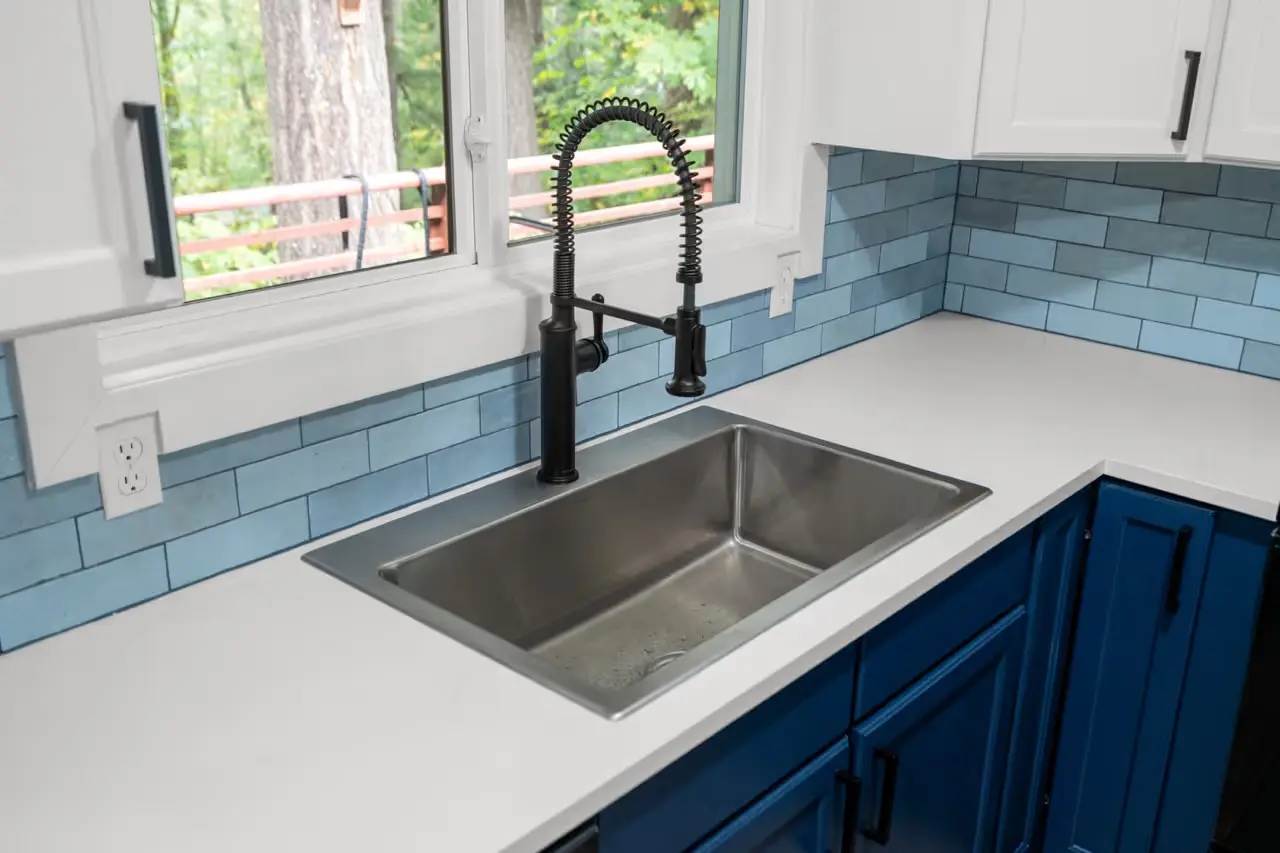
The construction phase is where your kitchen design starts to take physical shape. This stage involves careful coordination of multiple trades, precise installation, and adherence to building codes.
Quick Overview of the Construction Phase
Demolition and Prep Work
Once everything is ready, demolition begins. Removing cabinets, counters, and old finishes typically takes a few days but sets up the whole project. Proper demolition is essential; it protects surfaces and prepares the space for smooth installation. Even small prep steps, like checking for hidden water damage or leveling floors, can prevent bigger problems later.
Plumbing and Electrical Rough-Ins
New plumbing and wiring go in now, along with any framing for layout changes. These tasks require inspections before closing walls back up. Rough-ins are the backbone of your kitchen’s functionality, ensuring everything works safely and efficiently. Planning these systems properly now avoids expensive changes after walls and cabinets are in place.
Inspections and Approvals
Before you move on, city inspectors may need to sign off on rough plumbing and electrical work. This protects you and ensures code compliance but can add time. Inspections ensure that your kitchen meets safety standards and building codes, which keeps your home secure. Scheduling them strategically helps avoid unnecessary delays in the overall timeline.
Installation
Cabinets, countertops, appliances, and flooring usually happen in a sequence. Cabinet installation often goes first, followed by countertops and then finishing touches like backsplashes and lighting. Following the correct sequence is critical for a professional finish. Skipping steps or rushing installations can cause misalignments or damage that’s costly to fix.
Post-Construction Phase: The Final Stretch
The post-construction phase ensures your kitchen is fully complete, functional, and ready for use. During this stage, your contractor conducts thorough quality checks, addresses minor adjustments, and prepares the space for a smooth move-in. These final steps may seem small, but they are essential for a flawless, long-lasting result.
Final Walkthrough and Quality Checks
Your contractor will walk through the job with you, pointing out any issues that need correction or adjustment. This step ensures everything looks and functions as planned. Checking details like cabinet doors, drawer operation, and appliance fit now prevents future frustrations.
Punch List Fixes and Adjustments
Anything from cabinet door alignment to trim work gets finished up now. These small fixes may take a few days. Completing the punch list guarantees that every component is up to standard, giving you peace of mind before move-in.
Cleaning and Move-in Readiness
After everything is installed and inspected, a final clean gets your kitchen move‑in ready. This isn’t just surface cleaning; it removes dust, debris, and construction residue so your kitchen is fully ready for daily use. A well-prepared space ensures your first meals in the new kitchen are as enjoyable as the design itself.
Factors That Might Affect The Kitchen Timeline
Several elements influence the overall timeline of a kitchen renovation. Understanding these factors before you start can help you plan realistically, budget appropriately, and reduce unexpected stress. Even projects that seem straightforward can take longer when these variables come into play.
Scope and Layout Changes
Projects with simple aesthetic updates take much less time than those changing the footprint or relocating utilities. Larger changes may also require structural reinforcements or additional inspections, which can further extend the schedule.
Contractor Scheduling and Availability
Good contractors are often booked months in advance. How soon they can start and how they sequence trades can impact your timeline. Coordinating multiple subcontractors, like electricians and plumbers, can create gaps if schedules don’t align perfectly.
Unexpected Delays and Hidden Issues
Once walls come down, surprises like old wiring or structural problems can cost extra time and money. Setting aside a contingency budget and timeline ensures you can handle unforeseen problems without major stress.
Permit Timelines and City Requirements
Every municipality has different timelines for approvals and inspections, so you always have to plan for potential slowdowns. Some cities require multiple inspections at different stages, and rescheduling can add days or even weeks to your remodel. For example, Washington state home remodeling permits can be received immediately with an online application.
Tips on Speeding Up Your Kitchen Remodel Timeline
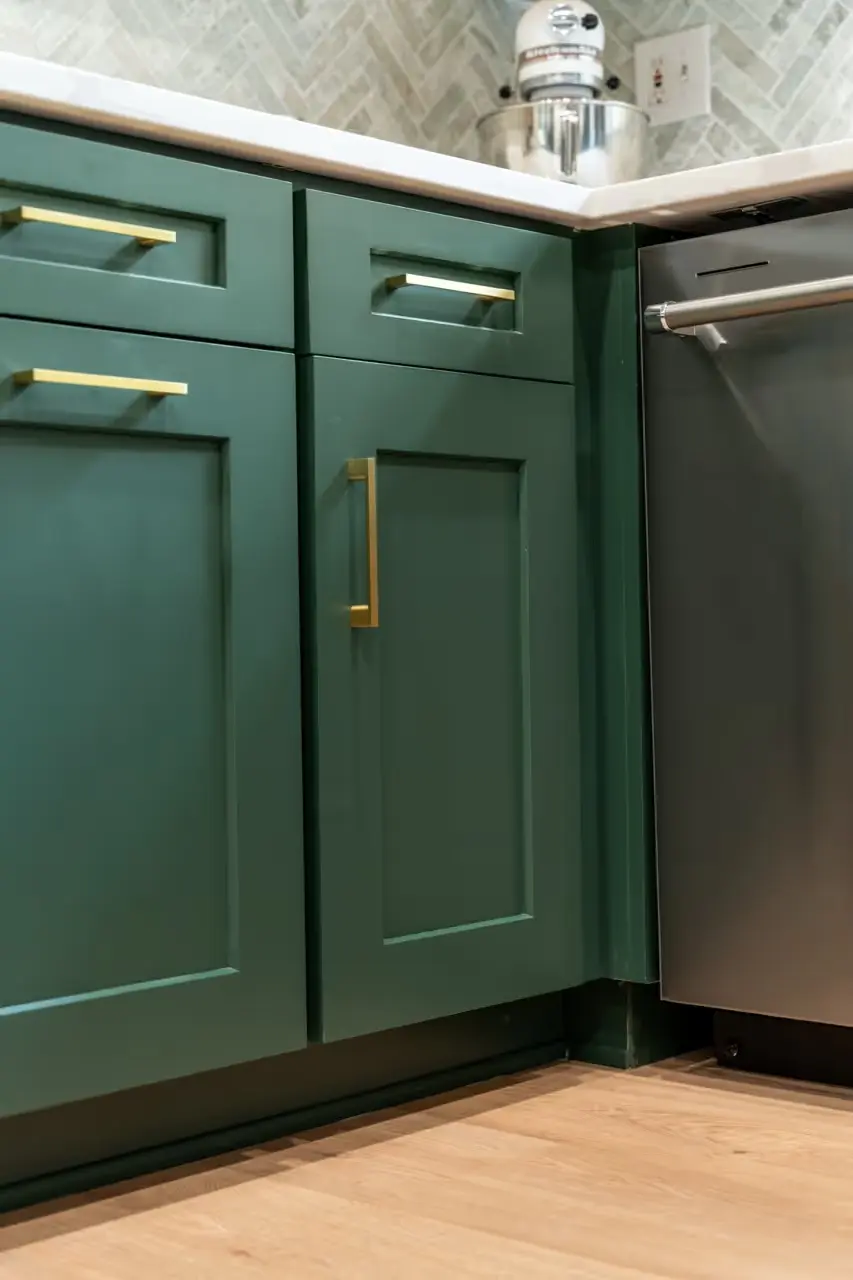
While a kitchen remodel naturally takes time, careful planning and smart choices can help keep your project on track. Small decisions made early can prevent weeks of delays later, and working with the right professionals ensures each phase moves smoothly. Here are some key strategies to accelerate your timeline without sacrificing quality:
- Planning Ahead And Making Decisions Early: Lock in layouts, materials, and finishes before construction begins to avoid delays once work starts.
- Choosing In-Stock Materials: Pre‑finished and in‑stock options move faster than custom orders and help shave weeks off lead times.
- Avoiding Mid-Project Changes: Changing your mind midway can cause rework and hold-ups; decide as much as possible before work begins.
By implementing these strategies, you can streamline your remodel while still achieving a beautiful, functional kitchen. Planning, communication, and foresight are the real keys to a smooth renovation.
Keep Your Kitchen Remodel On Schedule With 360 House Remodeling
At 360 House Remodeling, we combine real experience with clear communication and smart project planning. We work closely with clients from concept to completion so that timelines stay tight and expectations stay realistic.
As a trusted remodeling contractor in Mill Creek, we help homeowners in Bellevue, Kirkland, Mercer Island, Mukilteo, Edmonds, and beyond plan every detail. Whether you’re working with us or seeking advice, our team knows how to predict delays, manage schedules, and coordinate trades to keep your kitchen renovation moving forward without unnecessary hold ups.
With 360 House Remodeling, you’re not just remodeling your home; you’re creating a space that truly works for your lifestyle.
So, How Long Does It Take to Finish a Kitchen Renovation?
Knowing the timeline for a kitchen renovation helps you plan your life around it. Most major renovations take several months, but with good planning, smart material choices, and the right team, you can stay on track and minimize stress. Preparing ahead and understanding each phase gives you confidence and clarity throughout the whole journey.
With the right guidance, you can move forward confidently knowing your decisions are backed by a solid plan. Take the next step and start building that plan by scheduling your free consultation today with 360 House Remodeling.
FAQ
FAQs About How Long Does It Take to Remodel a Kitchen
How long does it take to renovate a small kitchen?
Is $10,000 enough for a kitchen remodel?
What adds the most value to a kitchen remodel?
What is the most expensive part of a kitchen remodel?
Have questions about your upcoming remodeling project? We’ve got answers to help you plan your renovation with confidence.
With the right planning and team, your kitchen renovation can stay on schedule and deliver lasting results. 360 House Remodeling helps guide each step to ensure a smooth, efficient project from start to finish.
blog

Read more tips
Get fresh ideas for your next home project.Read our latest articles for quick tips on kitchen design, bathroom remodeling, and whole-home renovations that add comfort and value.

Ready to Bring Your Home Remodel to Life?
Have a vision for your home or just exploring ideas?Our team is here to guide you every step of the way.Reach out to 360 House Remodeling for a free, no-pressure consultation and start planning your next project today.